
CPD Case Library
Morphology Monthly
One real blood film case a month. Work it the way you would on the bench, then download a CPD certificate for your records.
Upcoming CPD casesScroll to explore ➜
A new case each month15–30 minutes per caseBiomedical Scientists & Trainees
Bench Reflection
“The scientist is not a person who gives the right answers, he is one who asks the right questions.”— Claude Lévi-Strauss
Featured Post5 min read
10 Minutes: The Transfusion Emergency
The emergency phone in blood transfusion shrieked. Reflections on urgent component issuing under pressure.
Read post ➜All posts ➜Laboratory Merch
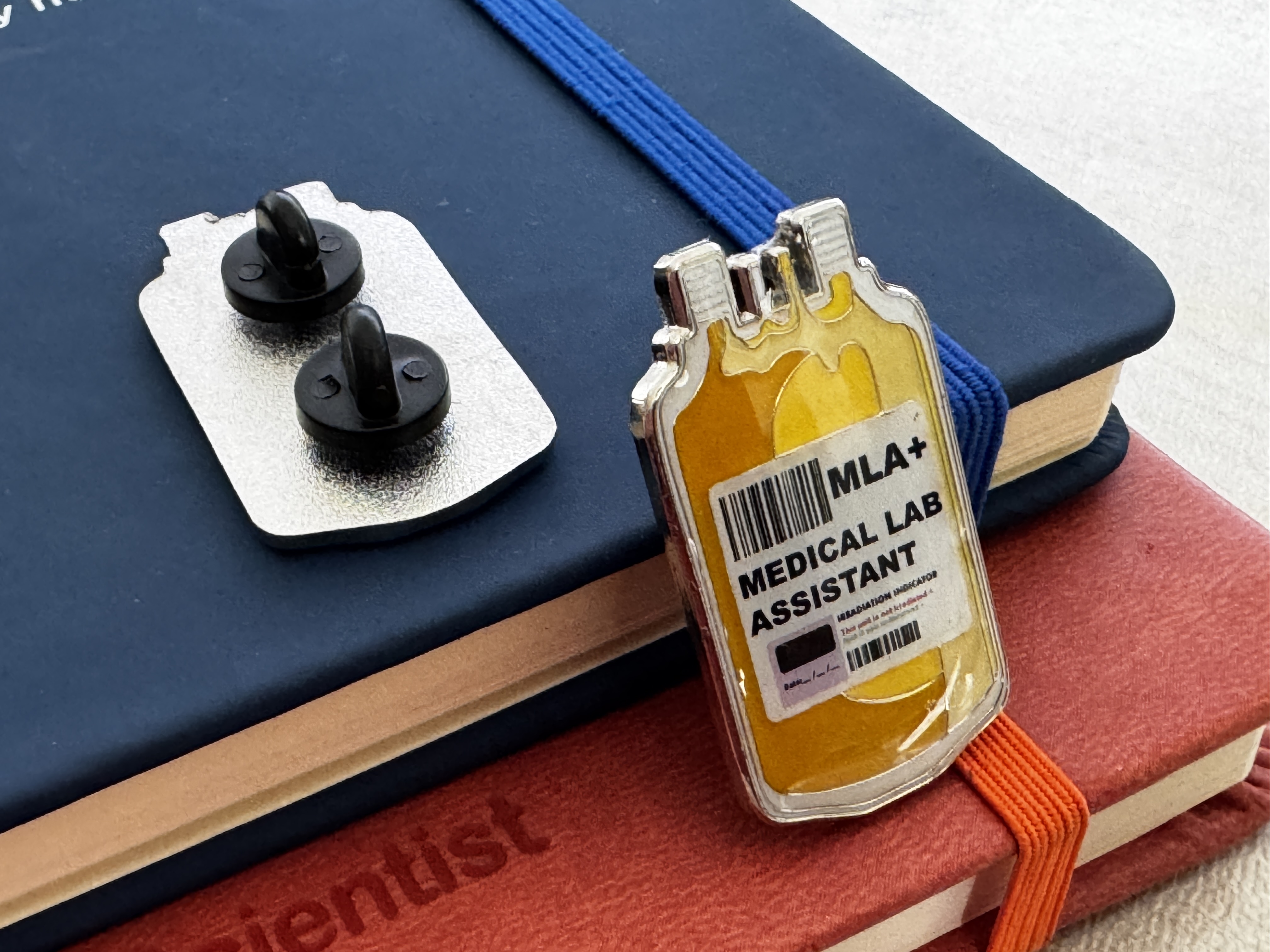
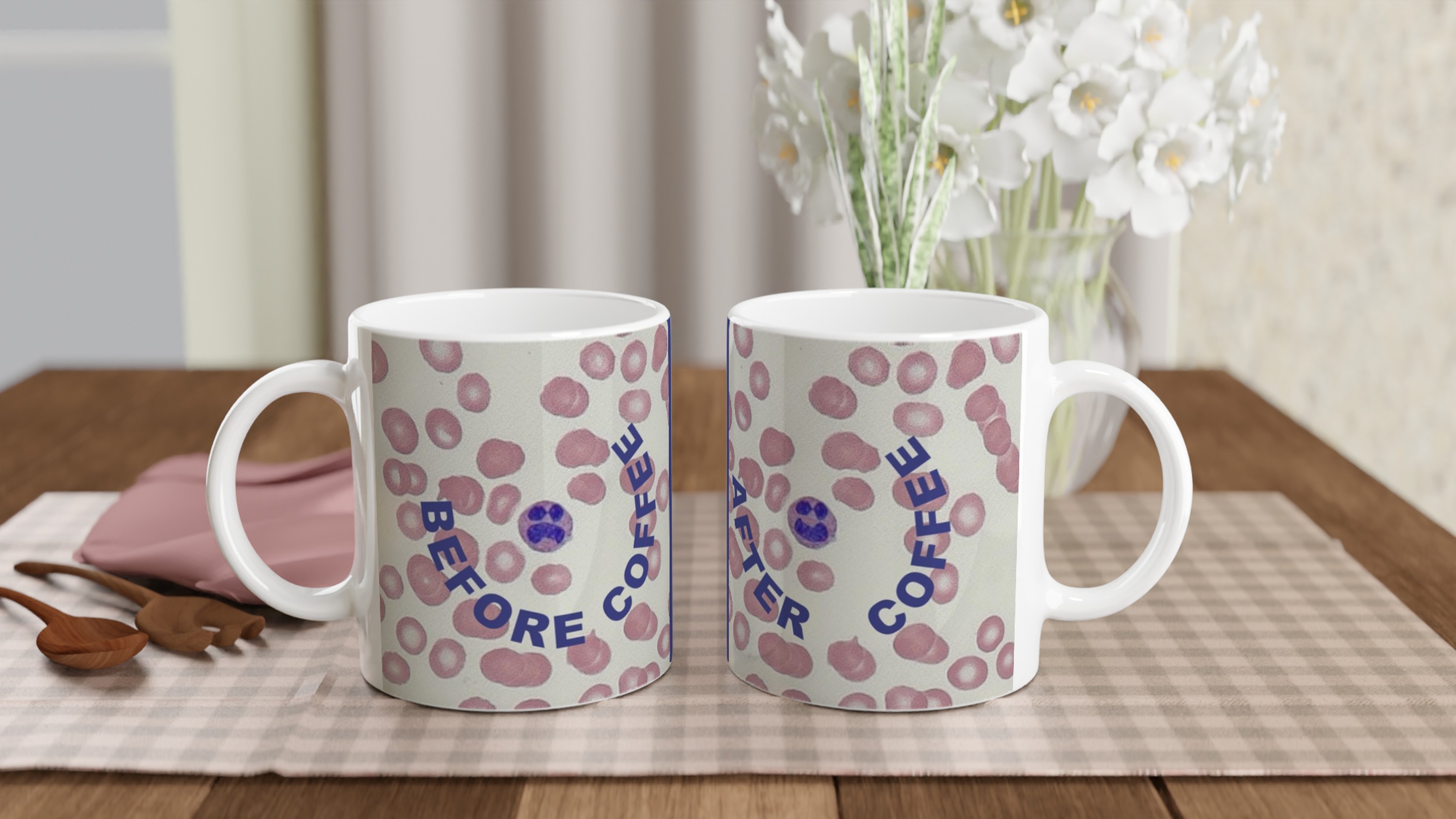
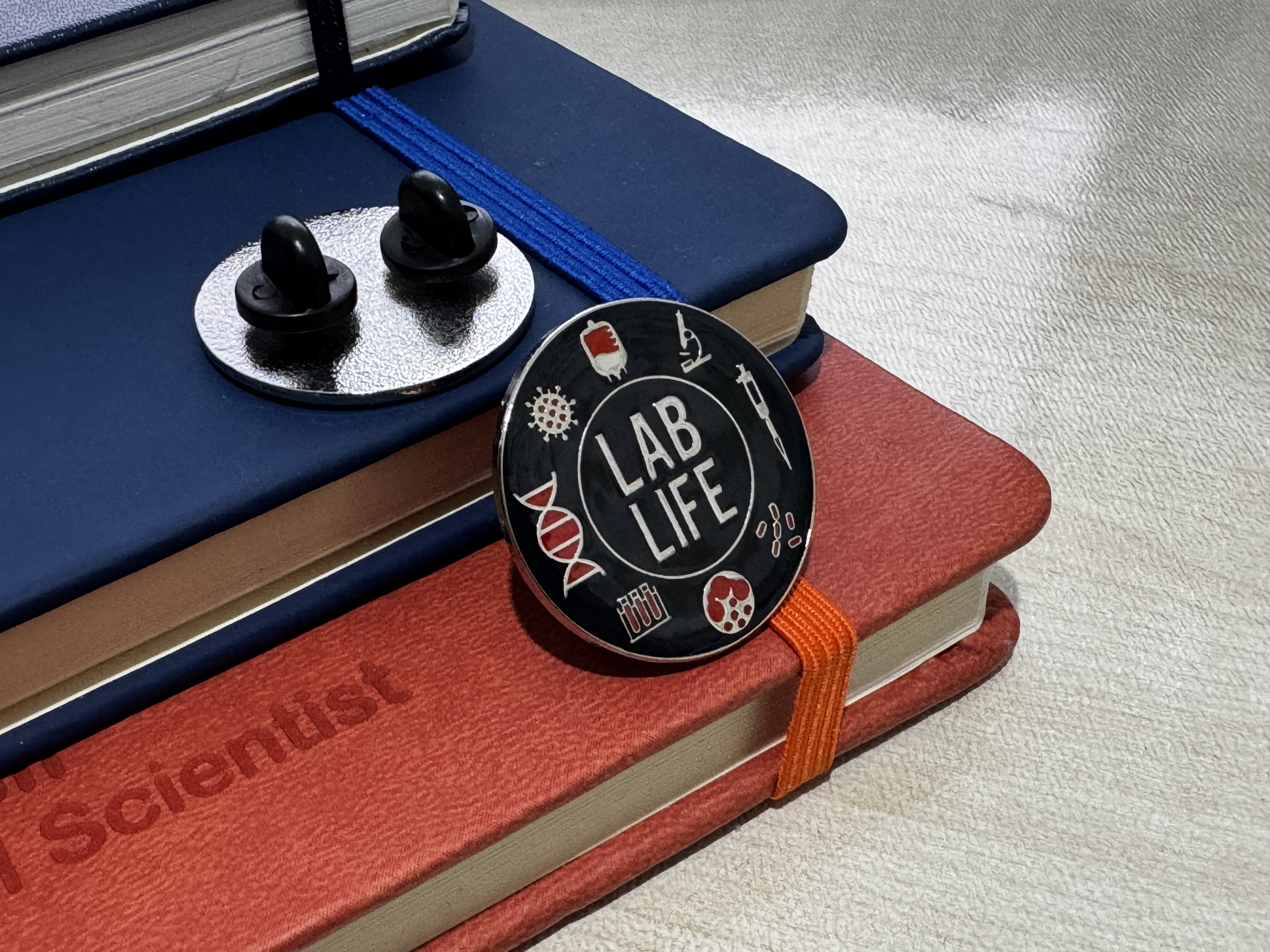
Browse full range on EtsyScience You Can Wear
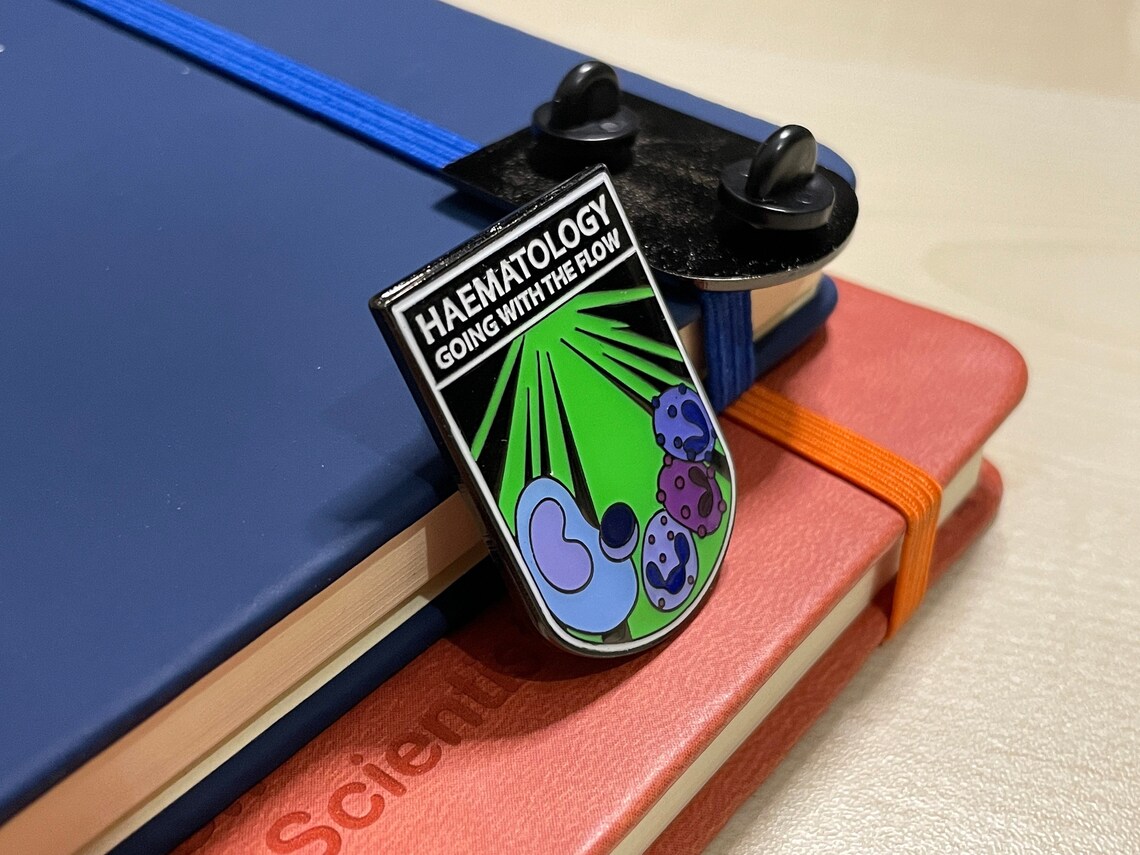
![Blood Donor Pin [Don+]](https://onlycells.co.uk/assets/etsy/don-pos.jpg)
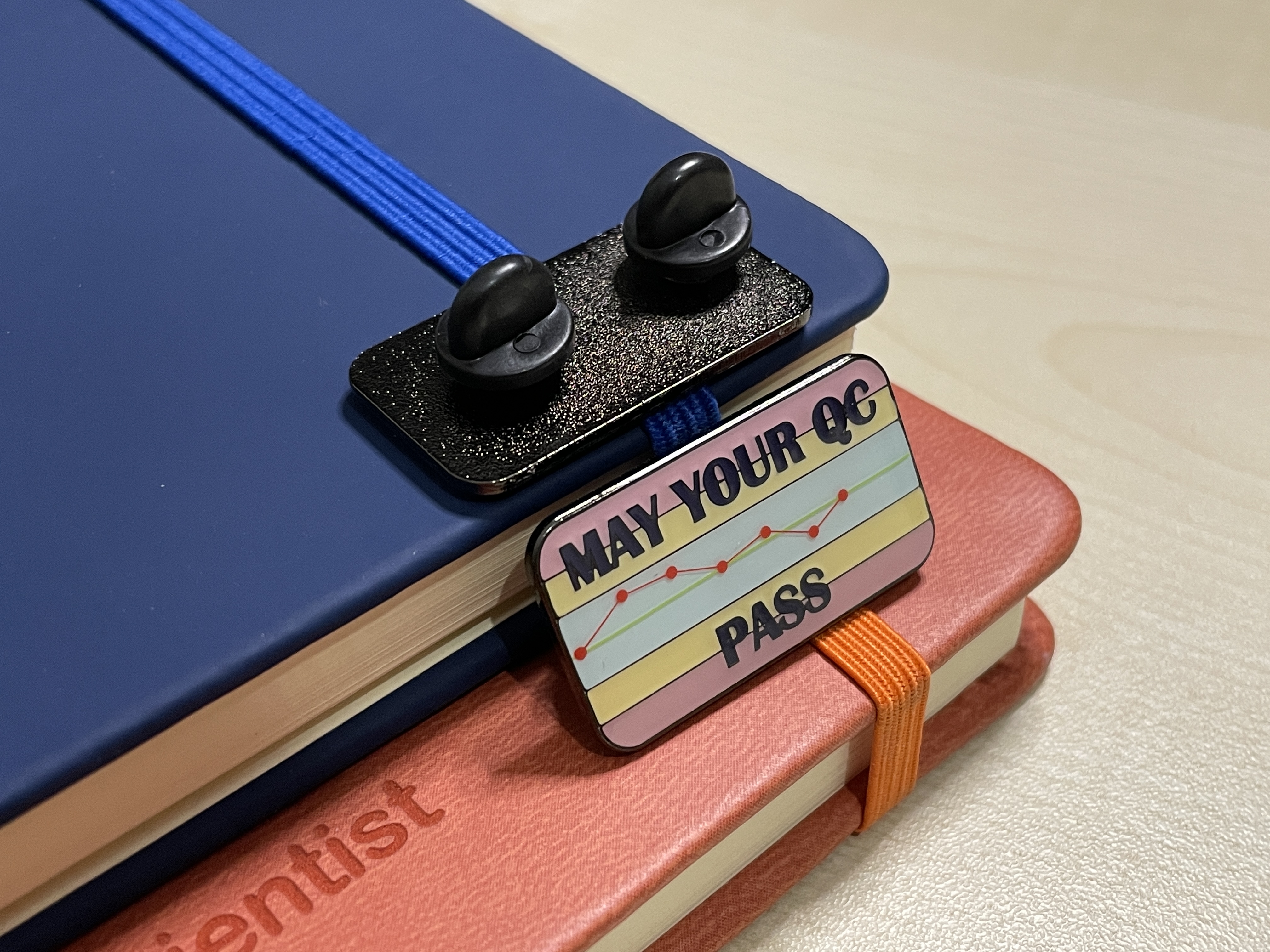
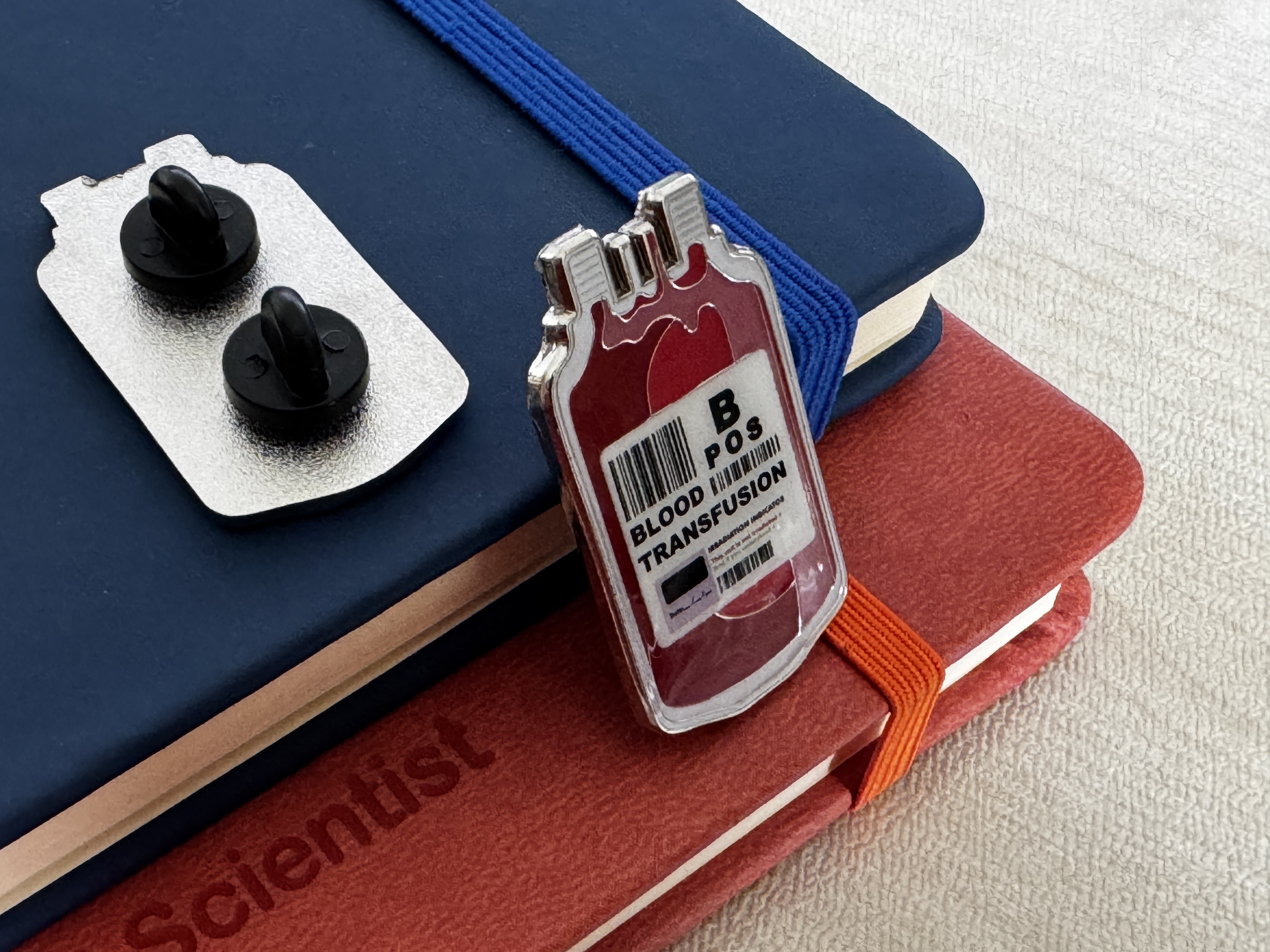
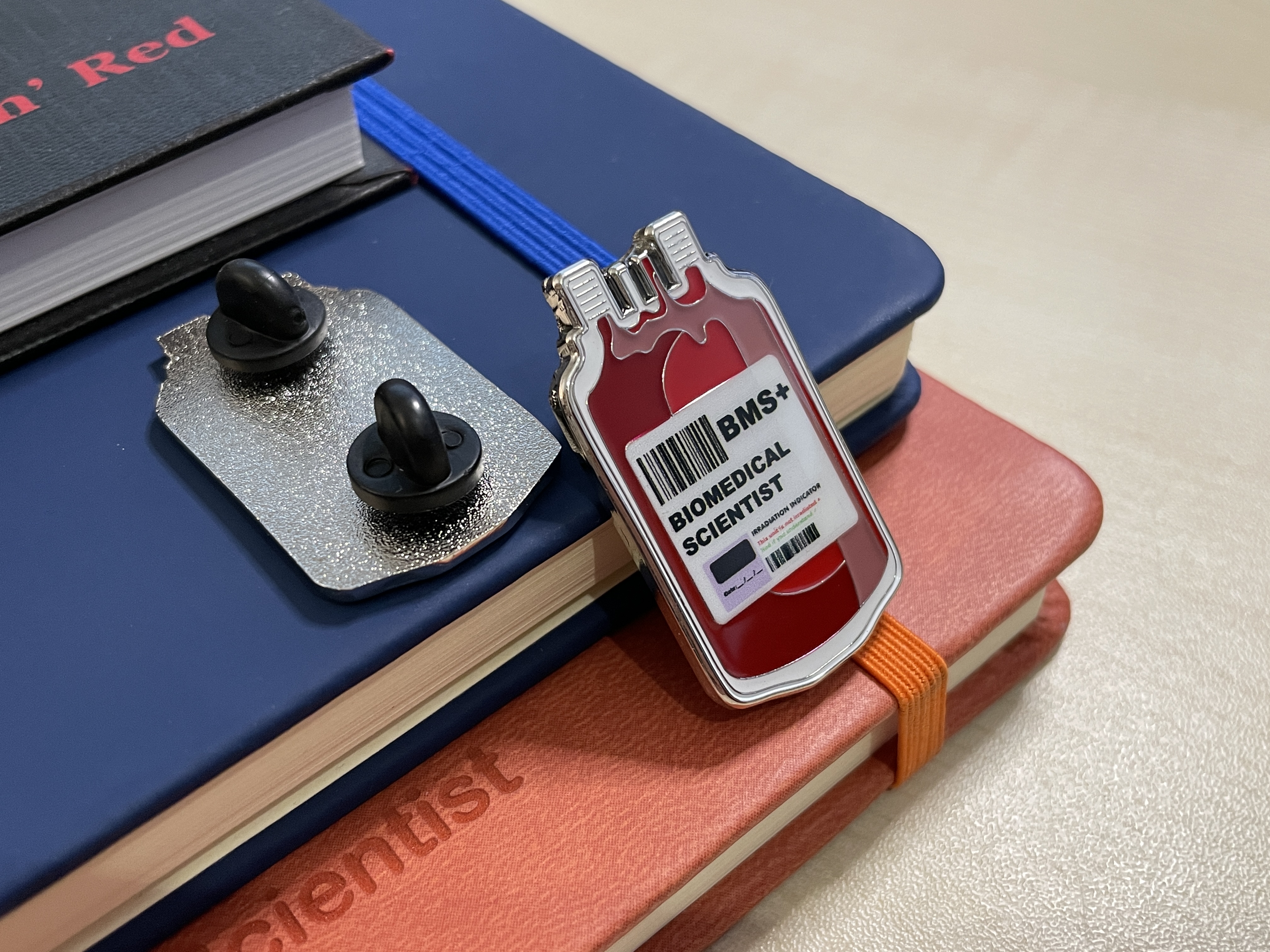
Bench Utilities
Browse Full ToolkitLaboratory Toolkit Suite
Direct access to all bench calculation and validation utilities.
YouTube Feed
Browse more videos on YouTubeWebinars & Masterclasses
Loading Only Cells YouTube feed...