
Thank you to everyone who commented on this week’s botanical-themed mystery. While Valentine’s Day may be over, these “flowers” under the microscope provided a textbook look at a aggressive T-cell malignancy.
Our 55-year-old patient, originally from the Caribbean, presented with classic systemic features: generalised lymphadenopathy, persistent skin rashes, and an elevated white cell count. A key metabolic clue in this case was significant hypercalcaemia (raised calcium levels), which is a frequent and dangerous complication of this condition due to increased bone turnover driven by the malignant cells.
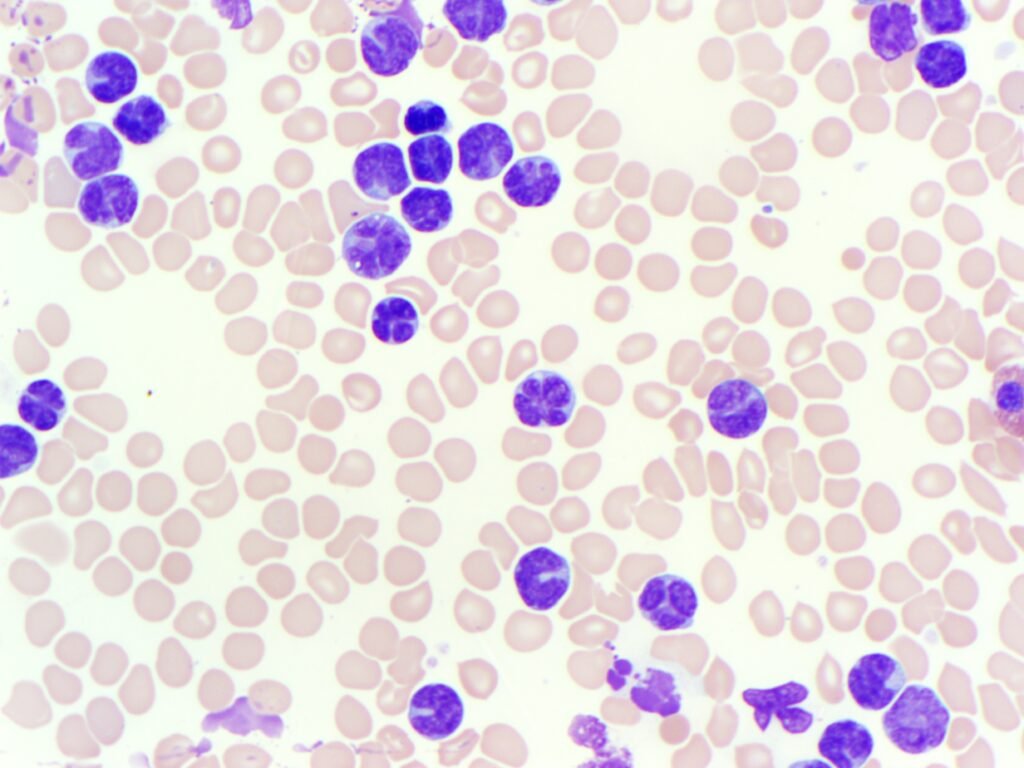
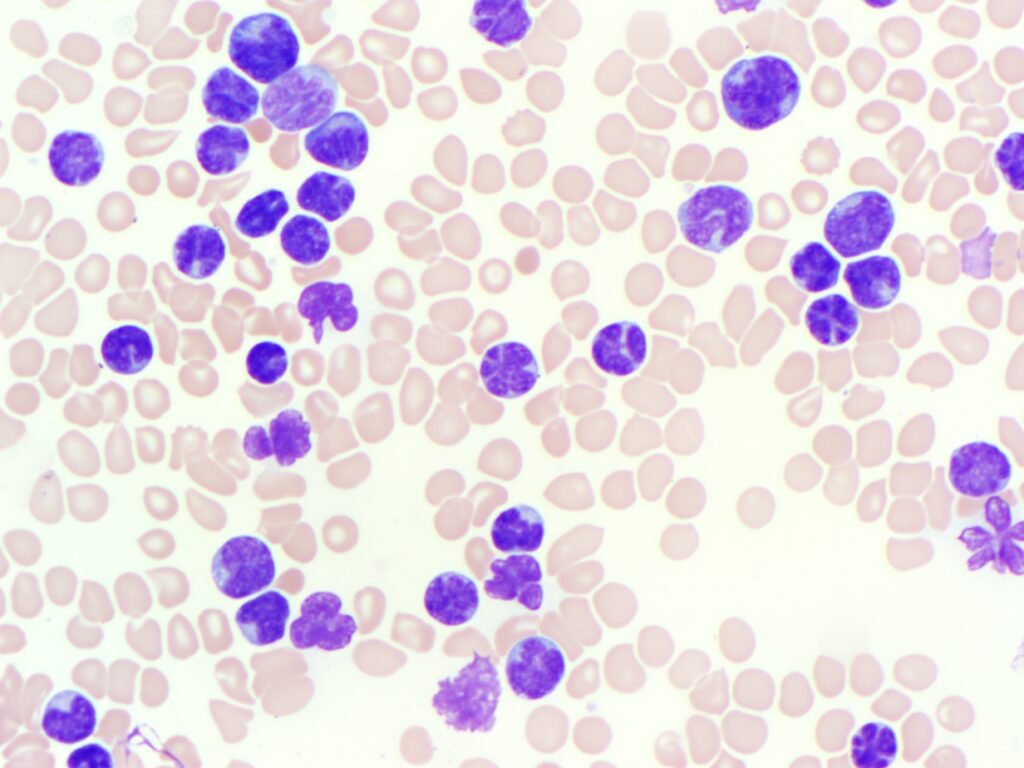
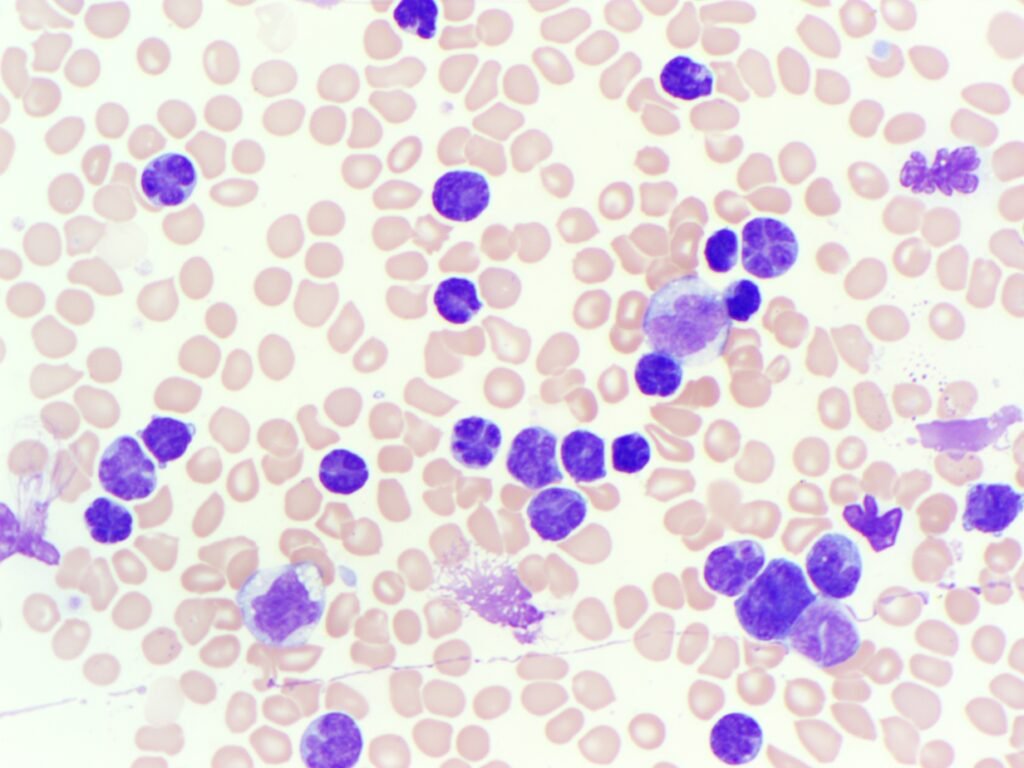
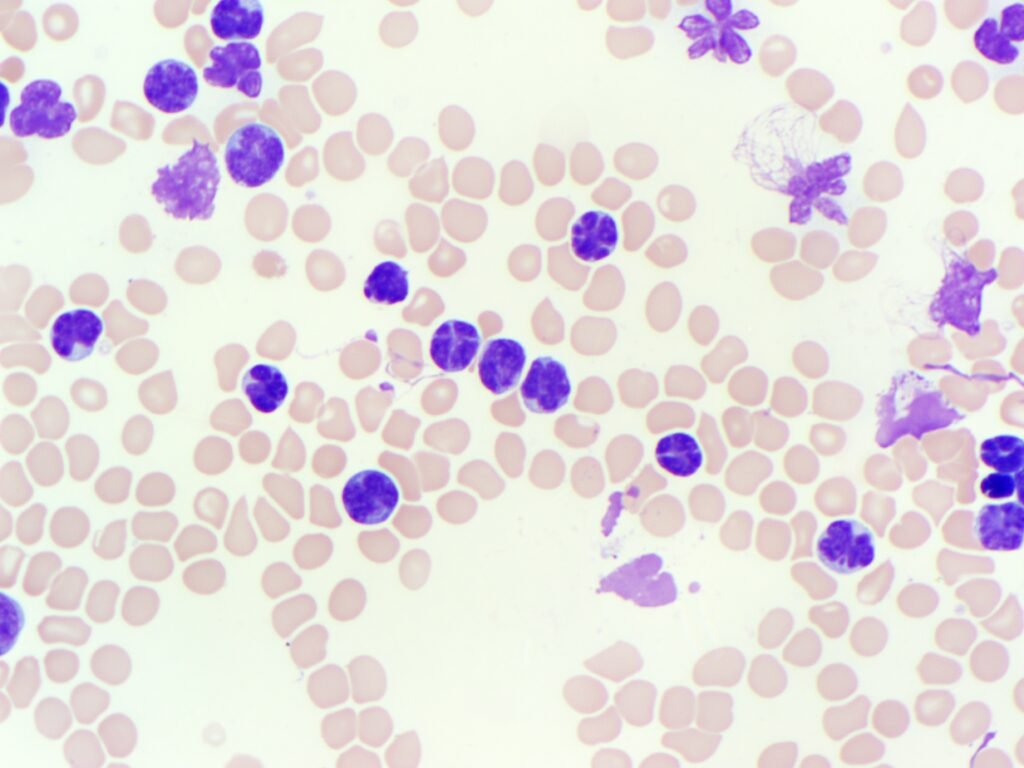
The Diagnosis: Adult T-cell Leukaemia/Lymphoma (ATLL)
The “flower cells” on the blood film are pathognomonic for ATLL, a mature T-cell neoplasm that is intrinsically linked to infection with the retrovirus Human T-lymphotropic Virus 1 (HTLV-1).
The Morphology: “Flower Cells”
The defining feature of this case is the presence of multi-lobated lymphoid cells, formally referred to as flower cells. The nuclei are deeply indented and divided into multiple distinct lobes, resembling the petals of a flower. These cells have condensed chromatin, inconspicuous nucleoli, and a narrow rim of basophilic cytoplasm that is typically devoid of granules.