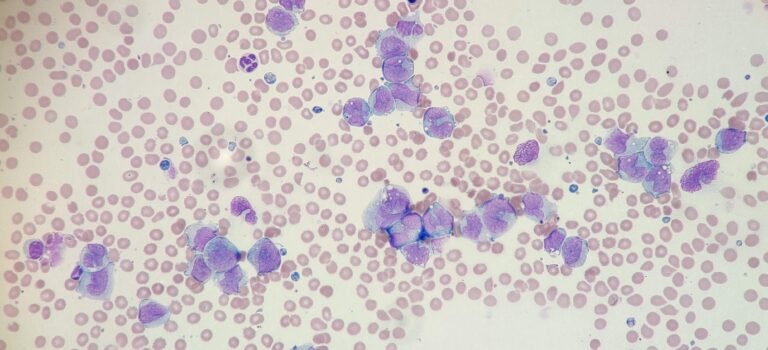
Morphology Monday | Case MM260713
This week’s case features a 27 year old male patient whose routine monitoring sample arrived in the laboratory in the early hours of the morning.

This week’s case features a 27 year old male patient whose routine monitoring sample arrived in the laboratory in the early hours of the morning.

Whether you are working a high stakes emergency night shift or managing routine morning samples, laboratory work demands flawless precision under pressure. Calculations take time, counters require concentration, and tracking multiple things at once can invite transcription risks.
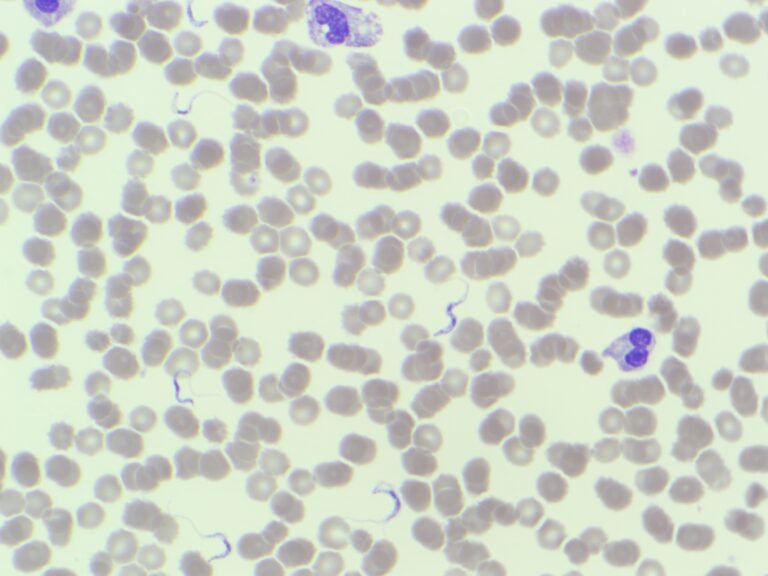
The 52 year old patient presented to the emergency department with an unexplained fever. The initial FBC showed a normal white cell count but a closer look at the parameters revealed a deeper issue.
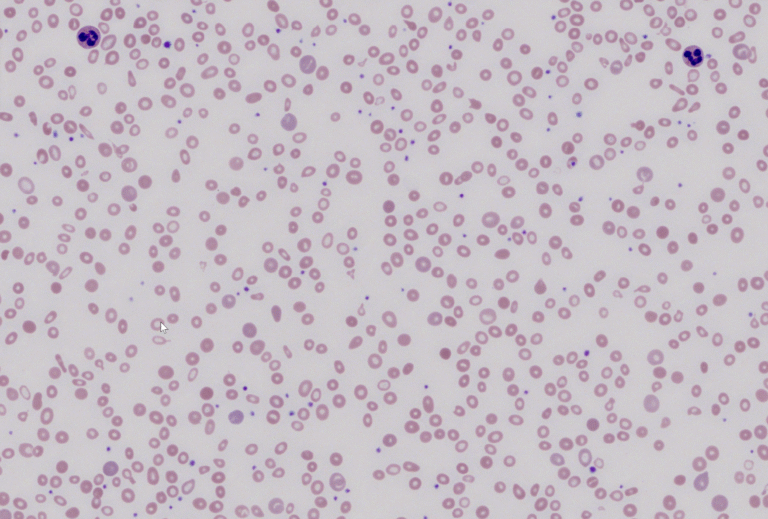
When iron stores are depleted, the bone marrow lacks the essential building blocks required to synthesise haemoglobin, leading to a highly characteristic sequential change in red cell morphology.
This week, we are looking at a sample from a 34-year-old female who presented to her GP after experiencing months of progressive fatigue that she initially chalked up to a busy work schedule. However, a recent craving for chewing on large quantities of ice prompted her to seek medical advice.
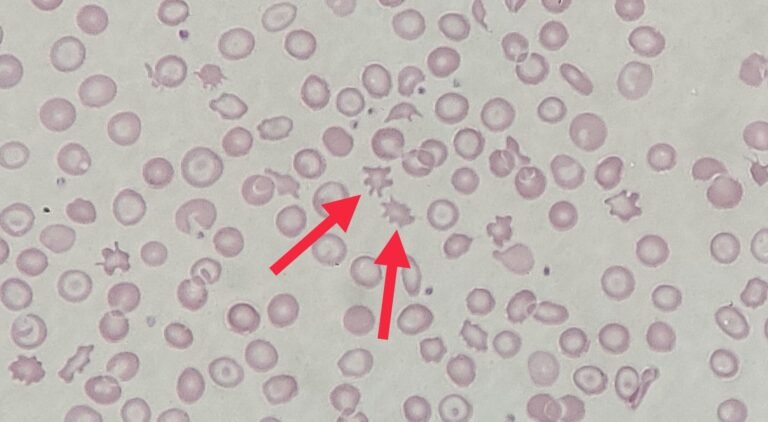
Under the microscope, the film showed prominent acanthocytes (or spur cells). These are mature red blood cells characterized by multiple, irregularly spaced, thorny or spiky cytoplasmic projections of variable length across the cell membrane.
This week’s case features a 72-year-old female patient whose routine FBC triggered an automatic manual film review due to some highly unusual red cell indices. The patient’s sample is from a neuromuscular clinic.
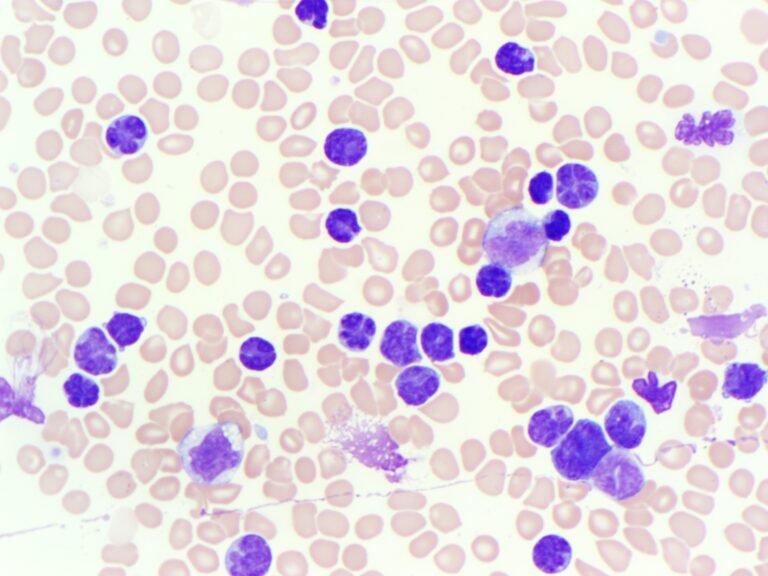
Thank you to everyone who commented on this week’s botanical-themed mystery. While Valentine’s Day may be over, these “flowers” under the microscope provided a textbook look at a aggressive T-cell malignancy.
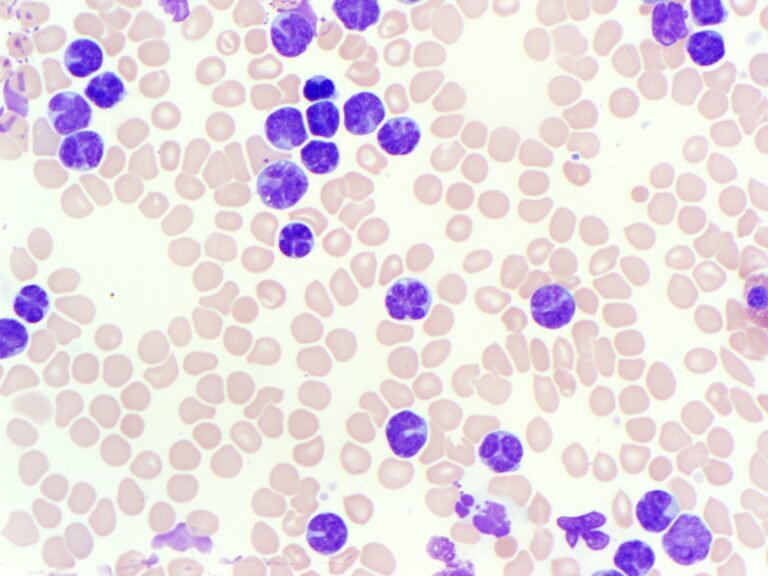
Valentine’s Day might be behind us, but today’s case is in full bloom this morning. This film is covered in “flowers,” though these aren’t the kind you’d want to receive in a bouquet.
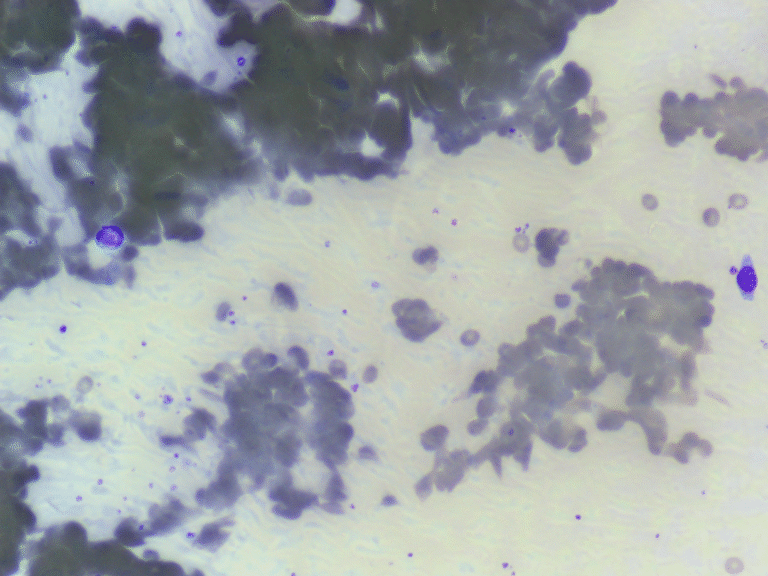
When the sample arrived in the lab, it had a “sandy” or gritty appearance inside the EDTA tube. Under the microscope, the red cells weren’t just overlapping; they were physically stuck together in irregular, massive clumps, leaving large empty spaces on the slide.