MM260302: Loa Loa
The parasite identified is Loa loa, a filarial nematode endemic to West and Central Africa. It is transmitted to humans via the bite of an infected Chrysops fly (deer fly).

The parasite identified is Loa loa, a filarial nematode endemic to West and Central Africa. It is transmitted to humans via the bite of an infected Chrysops fly (deer fly).
This week’s case involves a 34 year old aid worker, who recently returned to the UK after spending two years in West Africa, with significant time spent in the rainforest regions.
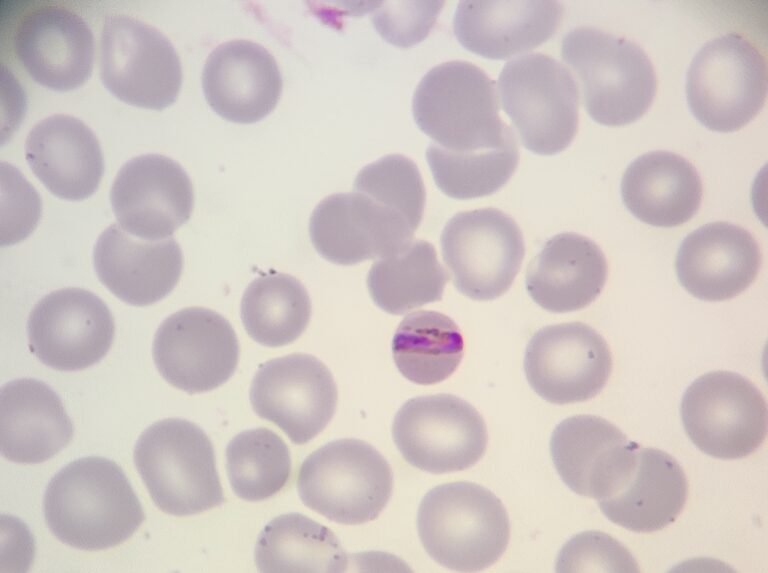
Earlier in the week a couple of blood film images were shared as part of this week’s Morphology Monday case. On closer inspection the blood film revealed both trophozoites and schizonts of Plasmodium malariae.
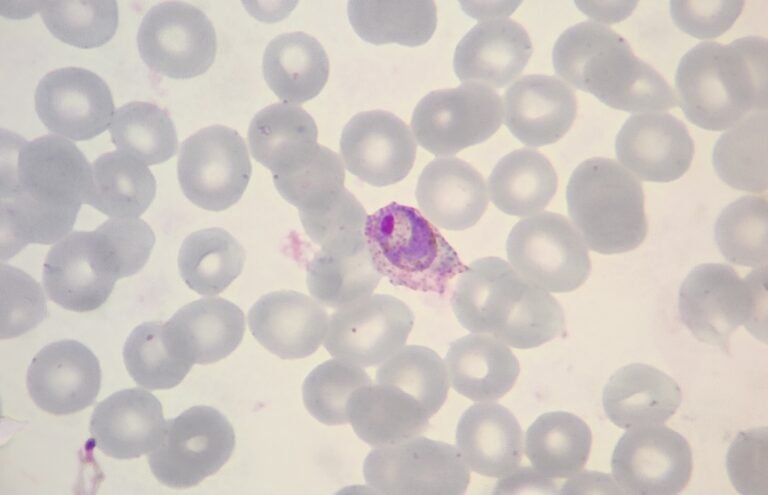
The overall findings were consistent with Plasmodium ovale infection, one of the less common species of malaria. It is typically associated with relapsing infections due to dormant liver hypnozoites and is often distinguished by oval-shaped infected red cells with fimbriated edges.

While band forms are classically linked to P. malariae, morphological overlap can occur, and a confident diagnosis often requires correlation with clinical, geographic, and RDT findings.
Malaria disproportionately affects children under five and pregnant women, especially in sub-Saharan Africa.
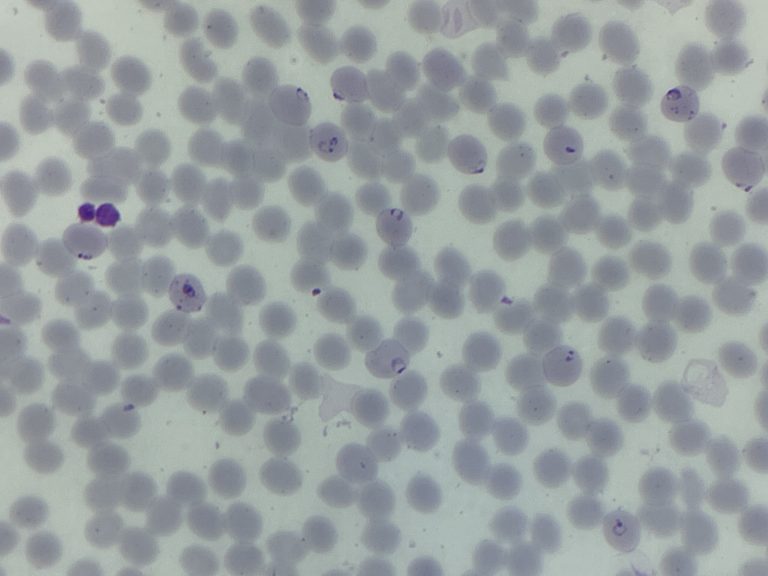
Images showing a Plasmodium Falciparum infection