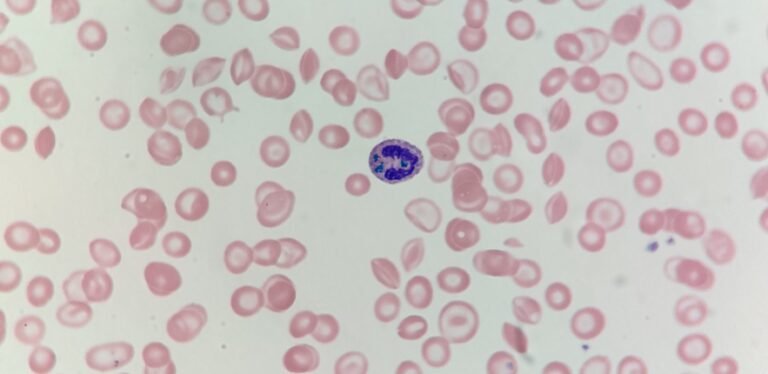
MM260112: Post splenectomy changes
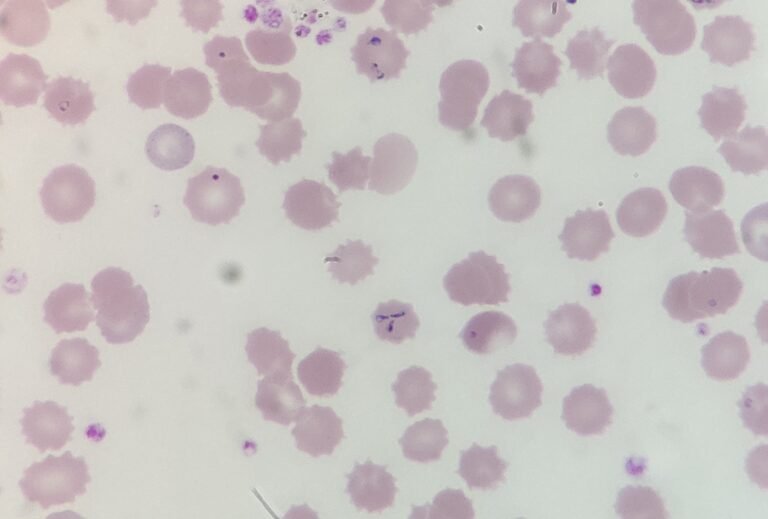
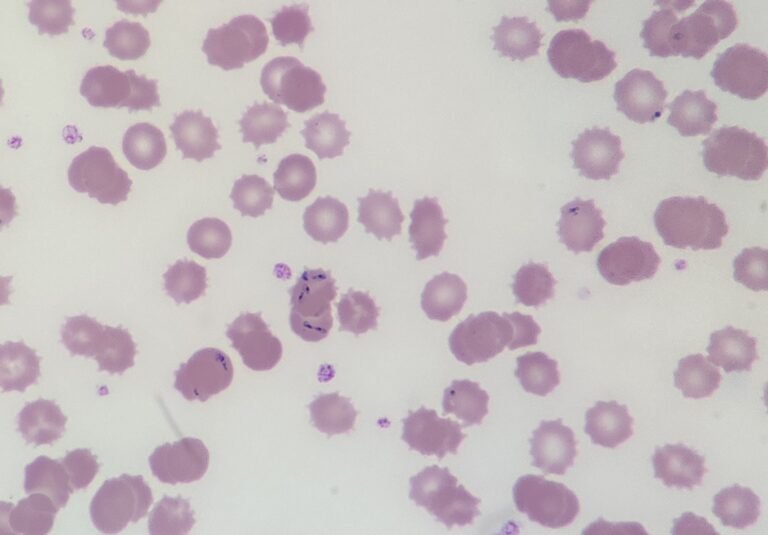
The patient is missing their spleen. In addition to the underlying HbE/β-thalassaemia, the film showed classic “post-splenectomy” features that occur when the body’s primary “quality control” filter is removed.
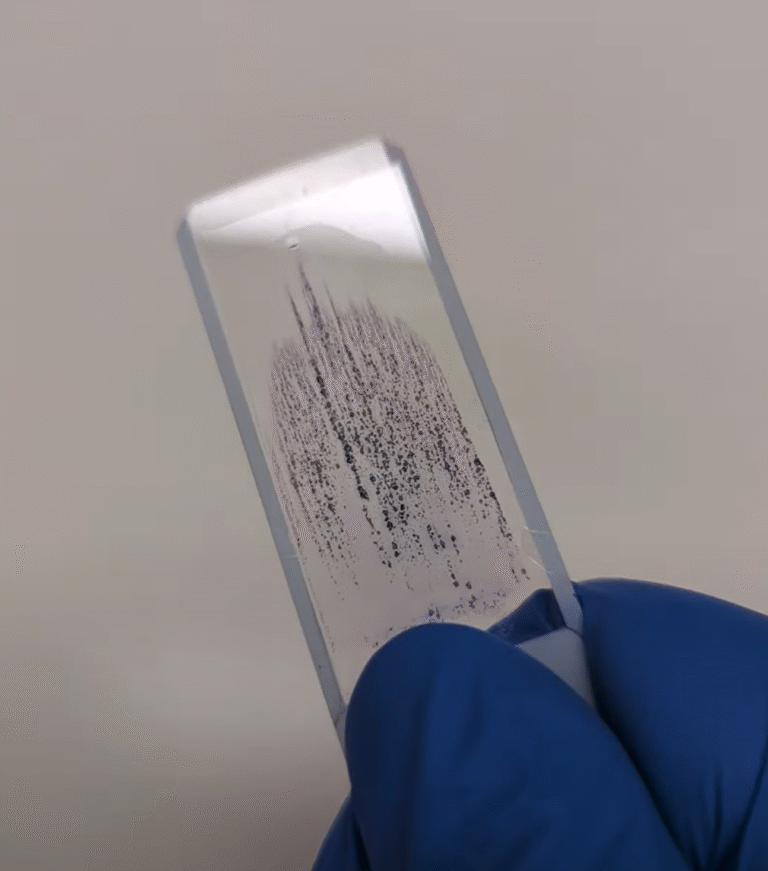
The blood film images are from a transfusion dependent patient who is a compound heterozygote for HbE/beta-thalassaemia.
Don’t let a nucleolus default you to “Blast”: Always assess the chromatin density.
A blood film was prepared for review, and the key morphological feature for participants to identify was a stomatocyte.
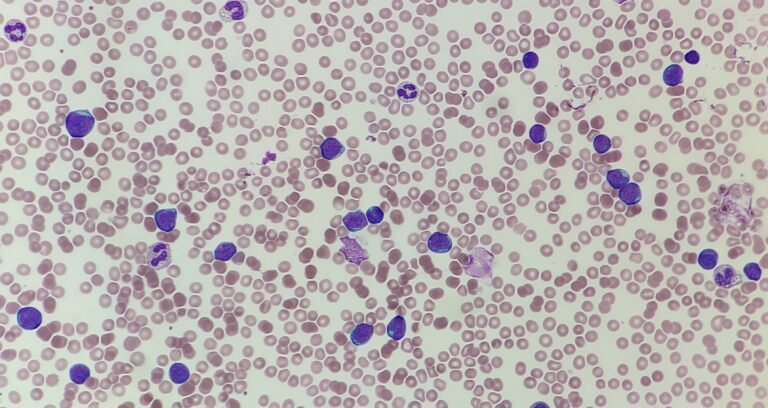
This week’s case comes from a 46 year old male who presented to his GP with no significant past medical history, does not take regular medications, and reports no recent infections. He drinks alcohol socially but not excessively.
These features are classical for CLL. The combination of a markedly elevated lymphocyte count, characteristic morphology, and a supporting clinical picture strongly points to chronic lymphocytic leukaemia as the final diagnosis.
I’ve built a lightweight, web-based tool that eliminates the manual burden, allowing you to generate perfectly compliant and scannable blood component labels instantly. No more messy paperwork. No more out-of-date photocopies. Just validated, digital units ready for use.
This week’s case comes from an 84-year-old male who was referred to the haematology team after routine blood tests showed a markedly raised white cell count. Clinically, he reported several weeks of general fatigue but no acute symptoms. He was otherwise well and presented via his GP.
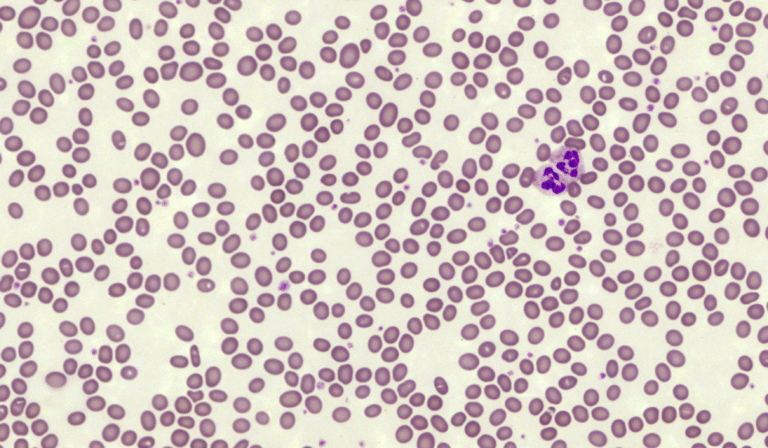
These features are characteristic of May–Hegglin anomaly, one of the MYH9-related disorders. This group of rare inherited conditions presents with thrombocytopenia and large platelets, sometimes accompanied by hearing loss, renal abnormalities, or cataracts.
The combined clinical, haematological, and immunophenotypic findings are consistent with Chronic Myelomonocytic Leukaemia (CMML).