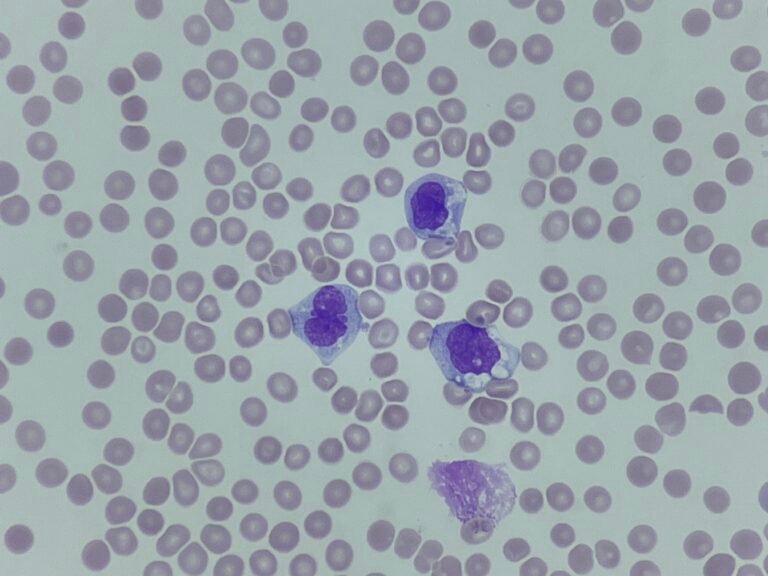
MM251103: Chronic myelomonocytic leukaemia
The combined clinical, haematological, and immunophenotypic findings are consistent with Chronic Myelomonocytic Leukaemia (CMML).

The combined clinical, haematological, and immunophenotypic findings are consistent with Chronic Myelomonocytic Leukaemia (CMML).
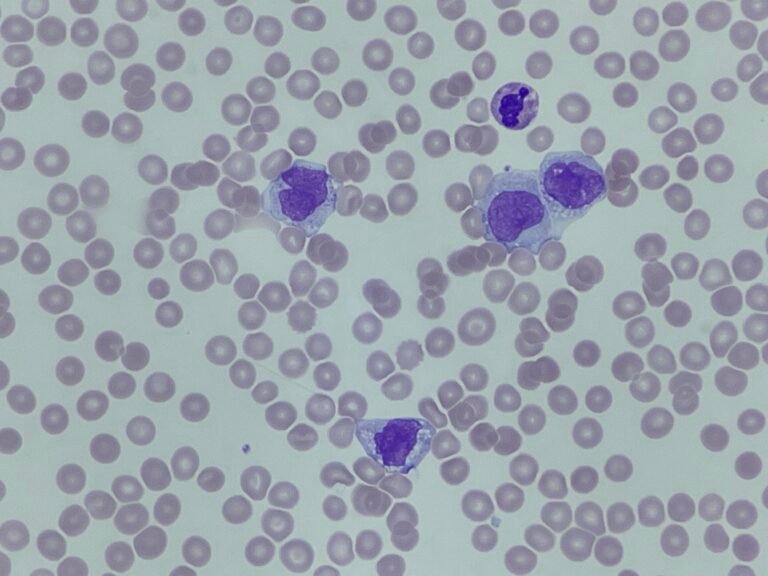
This week we have a case from a 61-year-old patient who presented with persistent fatigue and unintentional weight loss. Routine bloods were performed, and the full blood count has raised some important red flags.
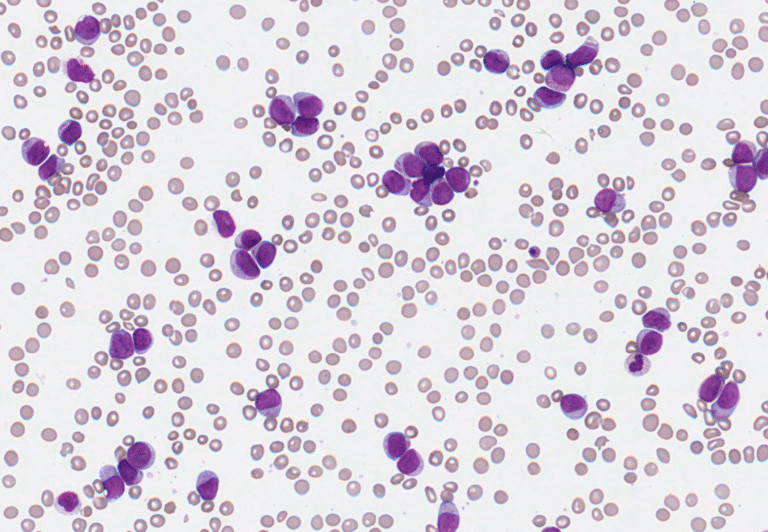
The blood film showed numerous myeloid blasts with Auer rods, supporting the diagnosis of AML. Flow cytometry revealed a blast population accounting for 88.7% of total cells, with a myeloid immunophenotype
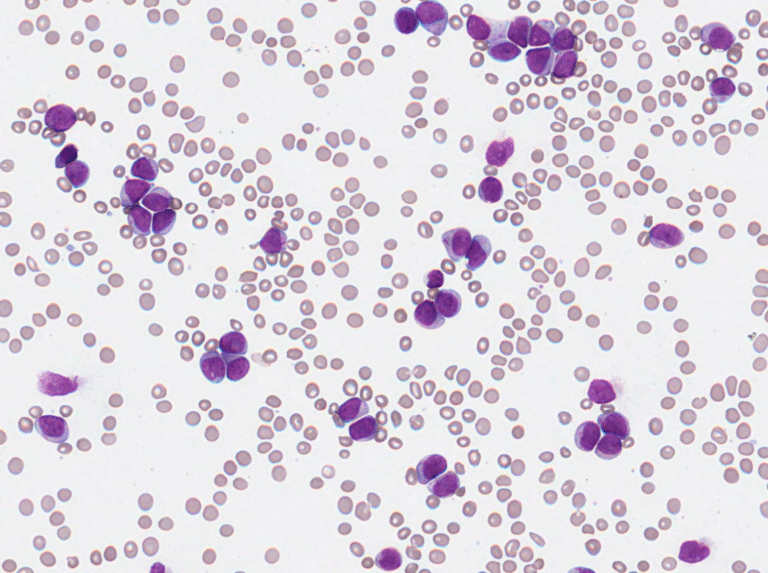
This week’s case comes from a 59-year-old male who presented to the Emergency Department with fatigue, shortness of breath, and spontaneous bruising that had developed over several weeks.
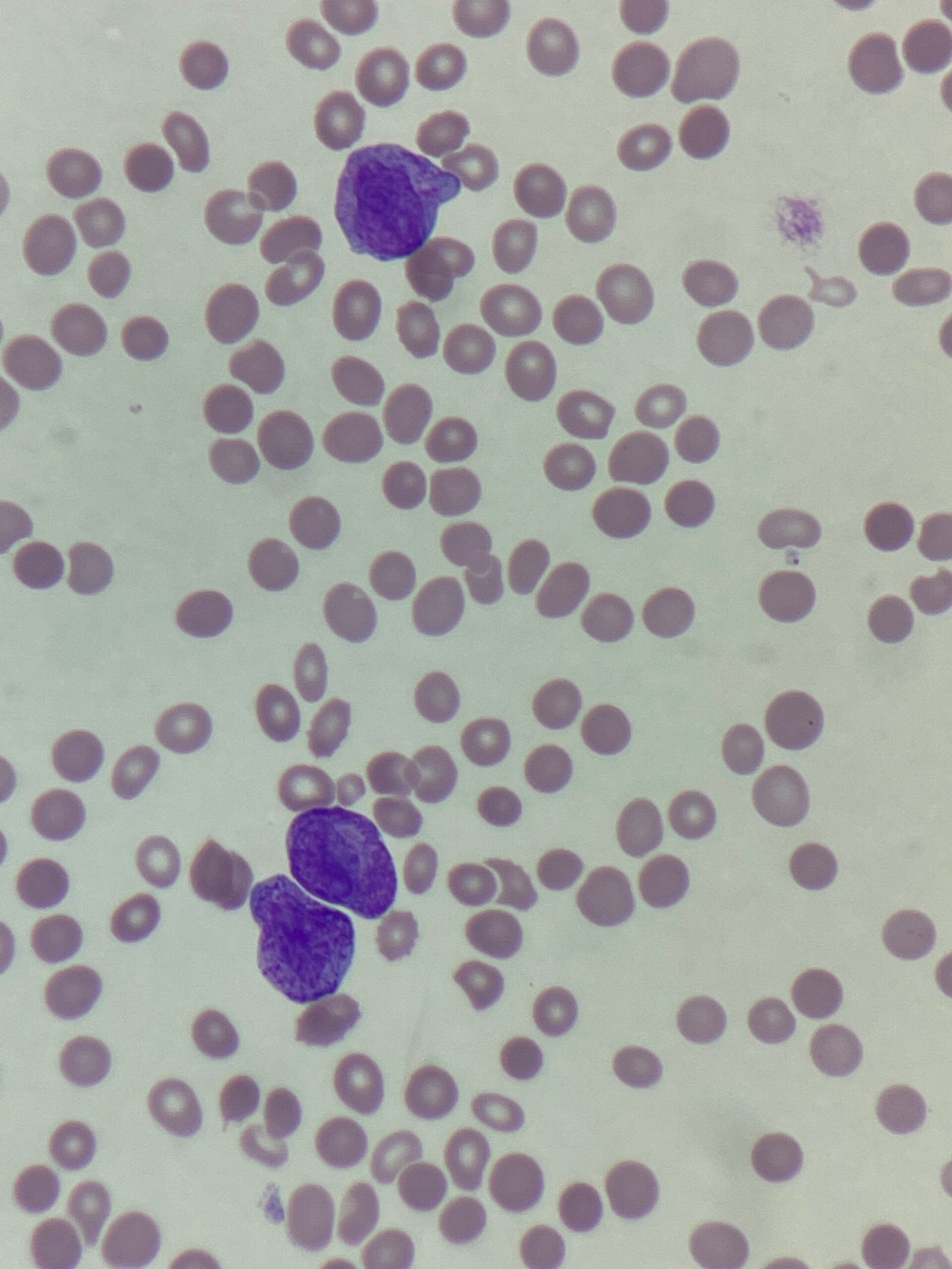
The blood film shows a genuine thrombocytopaenia, with a leukocytosis comprising predominantly of promyelocytes with Auer rods. The cells have immature nucleoli, abundant cytoplasmic granulation and approximately 25%% of the cells are bilobed. These are consistent with acute promyelocytic leukaemia.
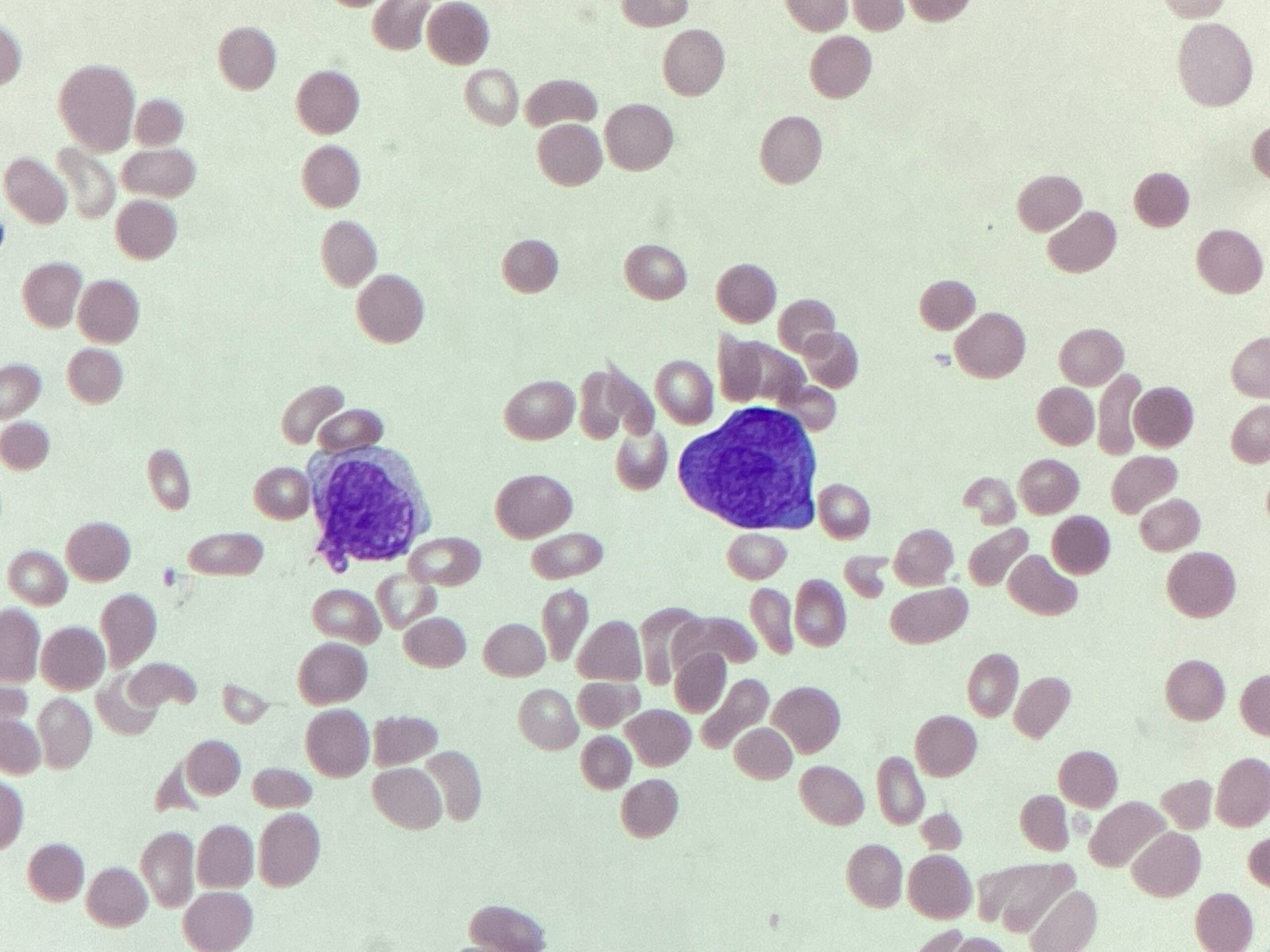
This week’s Morphology Monday case is from a 57 year old who presented to the emergency department.
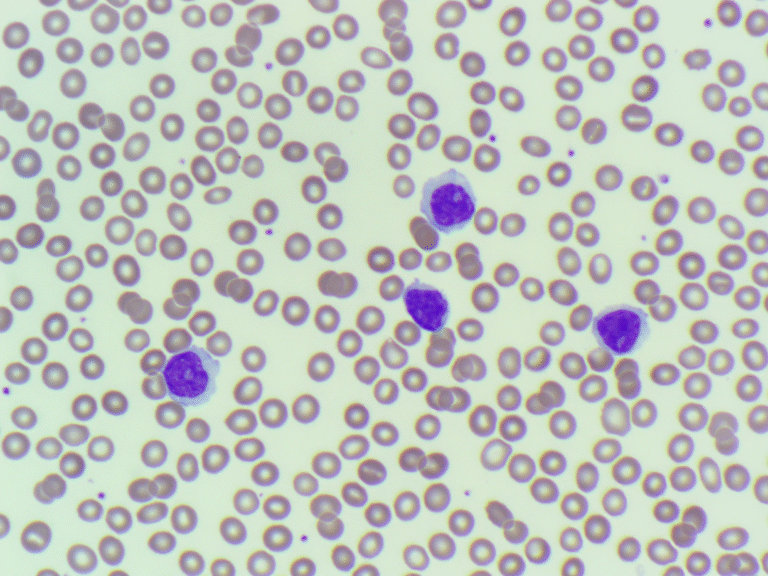
The findings are in keeping with a lymphoproliferative disorder (LPD). Given the predominance of prolymphocytes, the picture is suggestive of Prolymphocytic Leukaemia (PLL). However, this would require confirmation by flow cytometry to establish lineage and clonality.
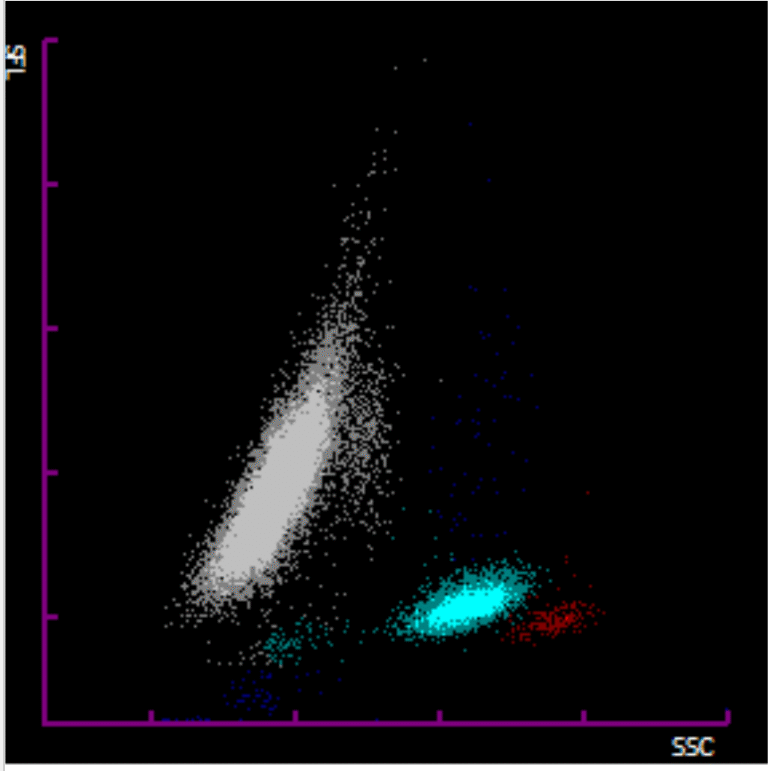
This week’s case comes from a 62-year-old female whose sample was flagged by the analyser, but interestingly, no differential count was produced. The WBC scattergram showed an abnormal grey plot, prompting a manual film review.
This week’s case explored a blood film from a patient with known multiple myeloma, now presenting with progressive symptoms and worsening cytopenias.
This week’s case comes from a 69 year old male presenting with a increasing fatigue and back back over the past several months. He has also experiences recurrent infections recently.