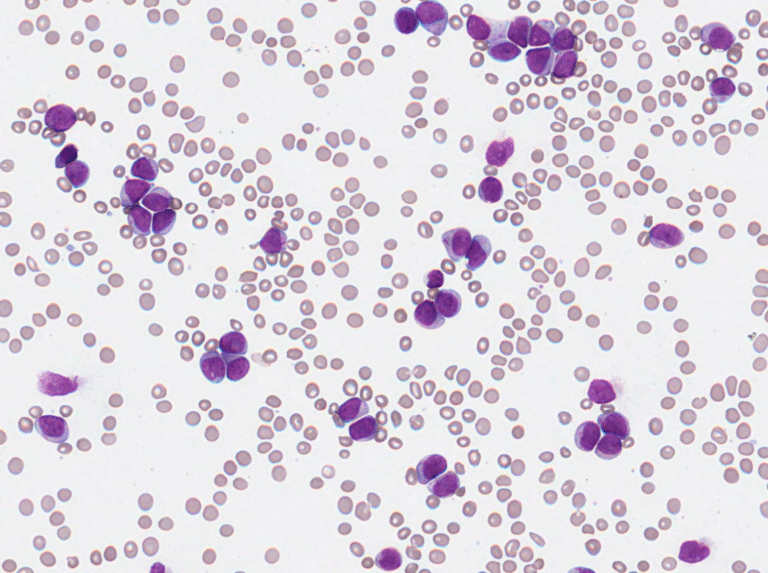
Morphology Monday | Case MM251027
This week’s case comes from a 59-year-old male who presented to the Emergency Department with fatigue, shortness of breath, and spontaneous bruising that had developed over several weeks.

This week’s case comes from a 59-year-old male who presented to the Emergency Department with fatigue, shortness of breath, and spontaneous bruising that had developed over several weeks.
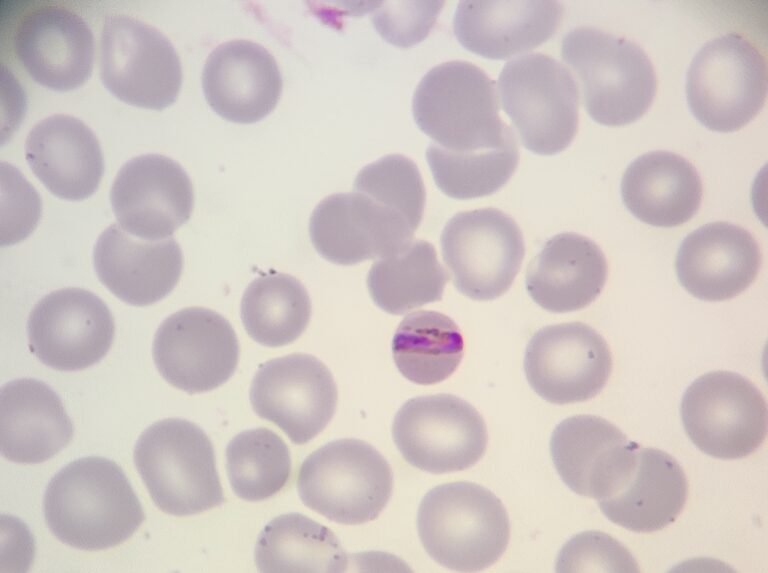
Earlier in the week a couple of blood film images were shared as part of this week’s Morphology Monday case. On closer inspection the blood film revealed both trophozoites and schizonts of Plasmodium malariae.
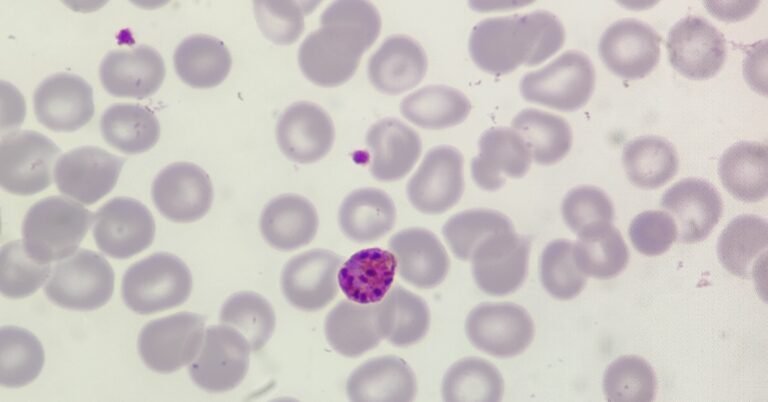
A middle aged traveller presented with mild, recurring fevers and general malaise several weeks and a slightly reduced platelet count. Blood films were made to assess the cause.
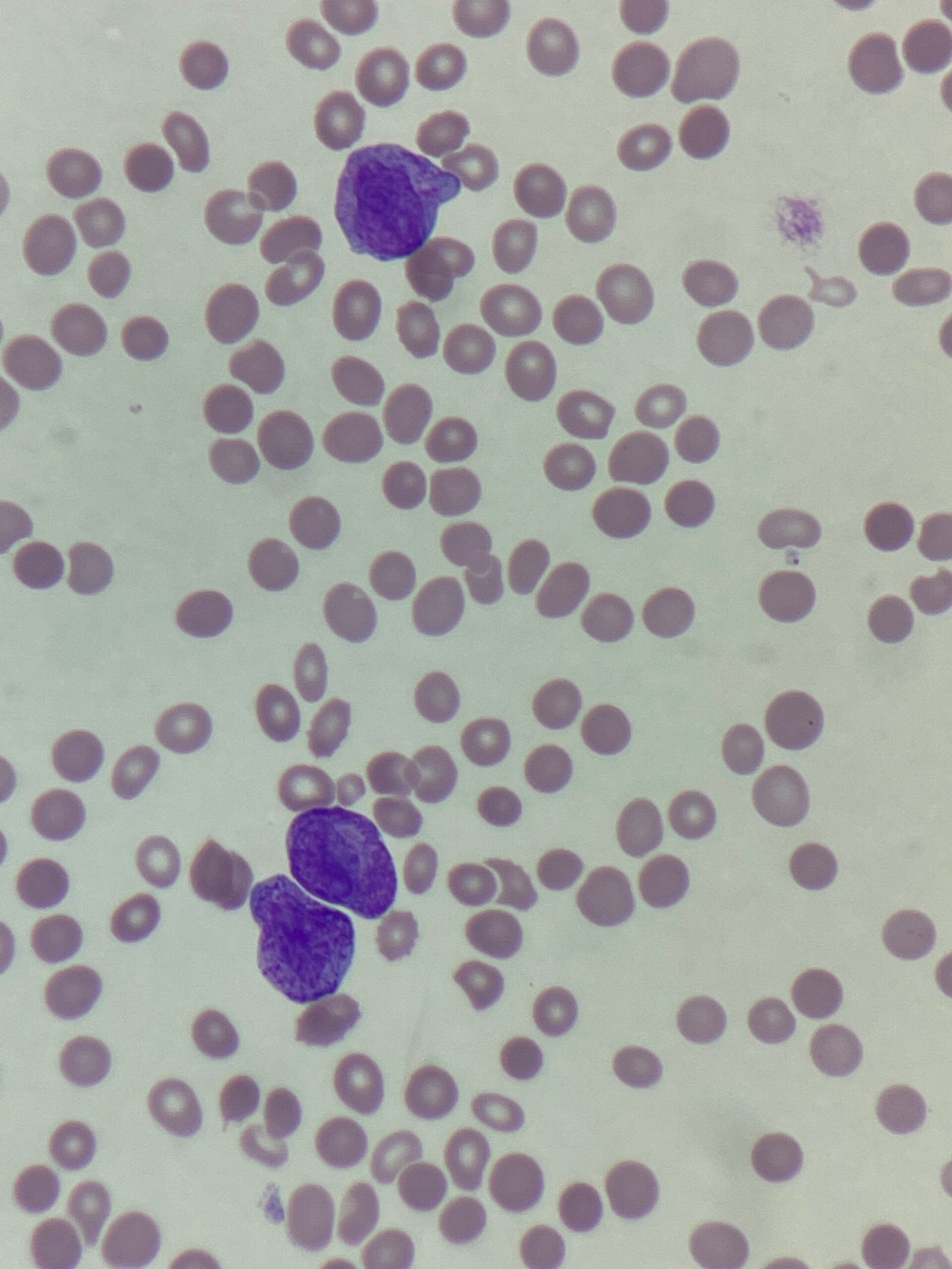
The blood film shows a genuine thrombocytopaenia, with a leukocytosis comprising predominantly of promyelocytes with Auer rods. The cells have immature nucleoli, abundant cytoplasmic granulation and approximately 25%% of the cells are bilobed. These are consistent with acute promyelocytic leukaemia.
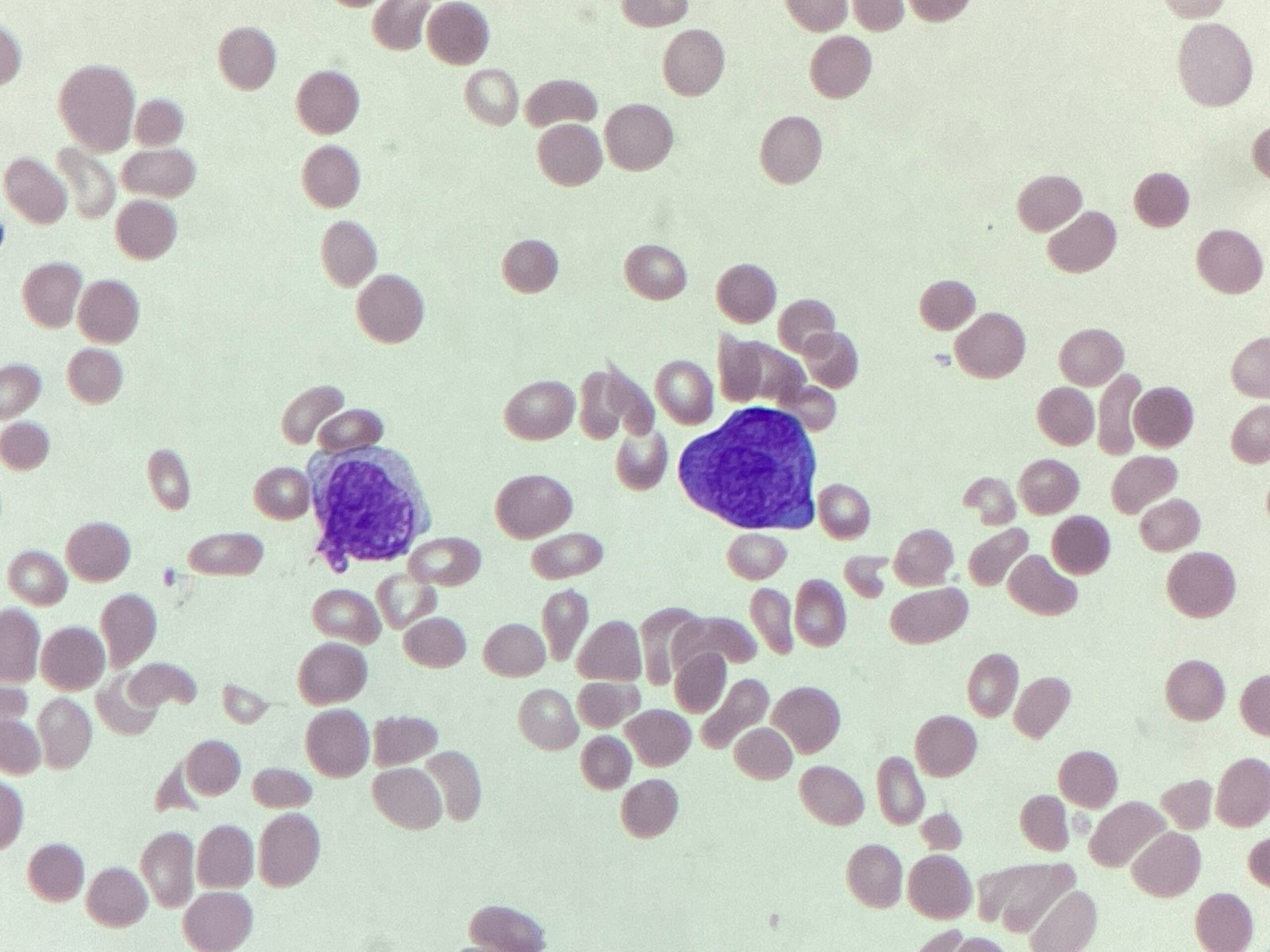
This week’s Morphology Monday case is from a 57 year old who presented to the emergency department.
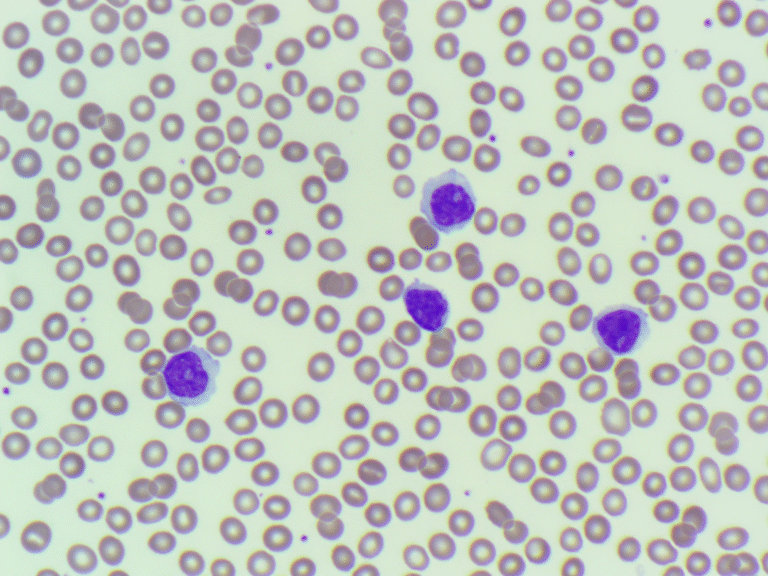
The findings are in keeping with a lymphoproliferative disorder (LPD). Given the predominance of prolymphocytes, the picture is suggestive of Prolymphocytic Leukaemia (PLL). However, this would require confirmation by flow cytometry to establish lineage and clonality.
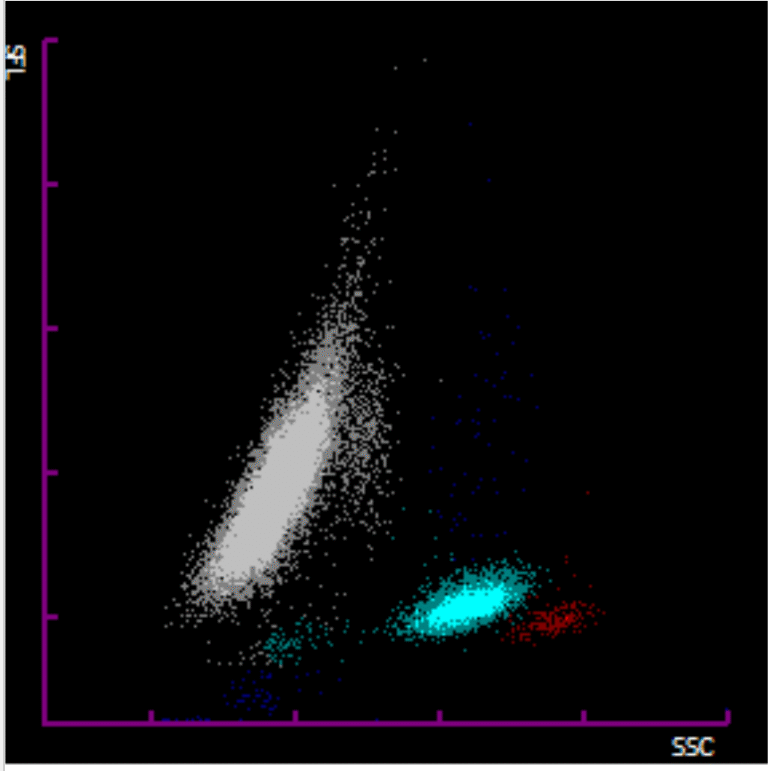
This week’s case comes from a 62-year-old female whose sample was flagged by the analyser, but interestingly, no differential count was produced. The WBC scattergram showed an abnormal grey plot, prompting a manual film review.
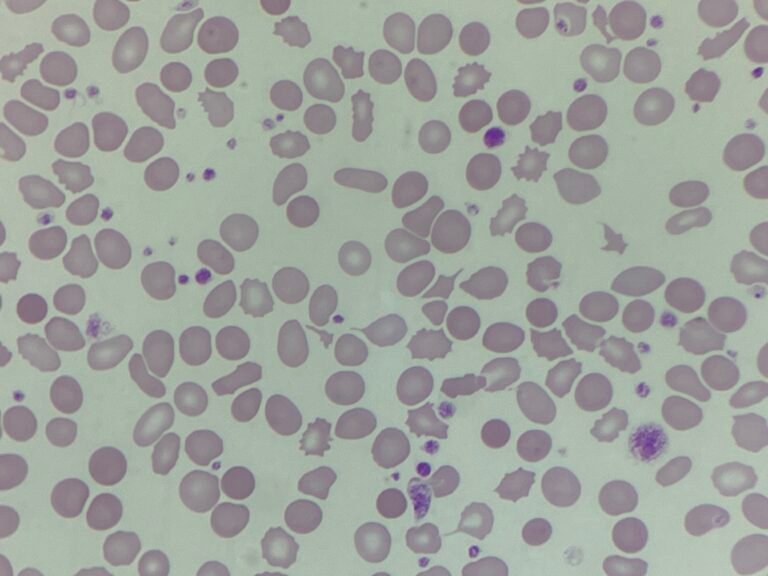
The case underlines how multiple comorbidities can converge to produce complex red cell morphology.
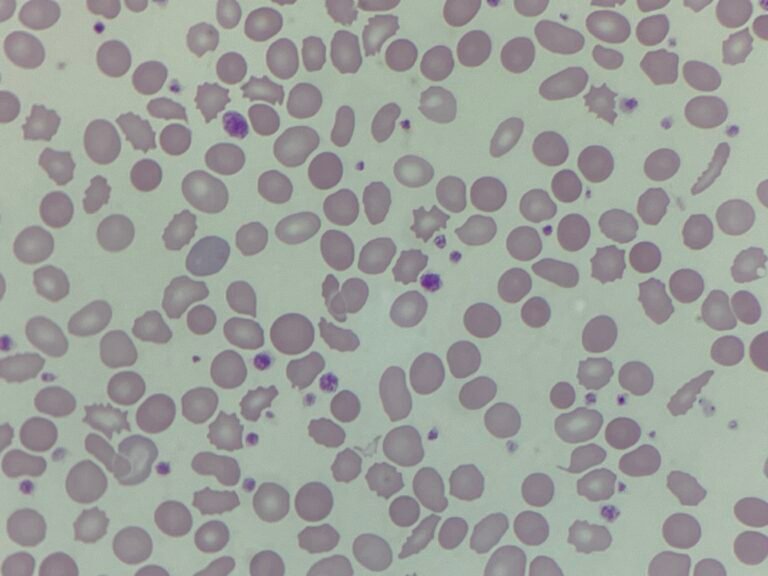
This week’s case comes from a patient with a complex clinical background. The patient presented with anaemia and a raised platelet count, alongside signs of systemic illness.
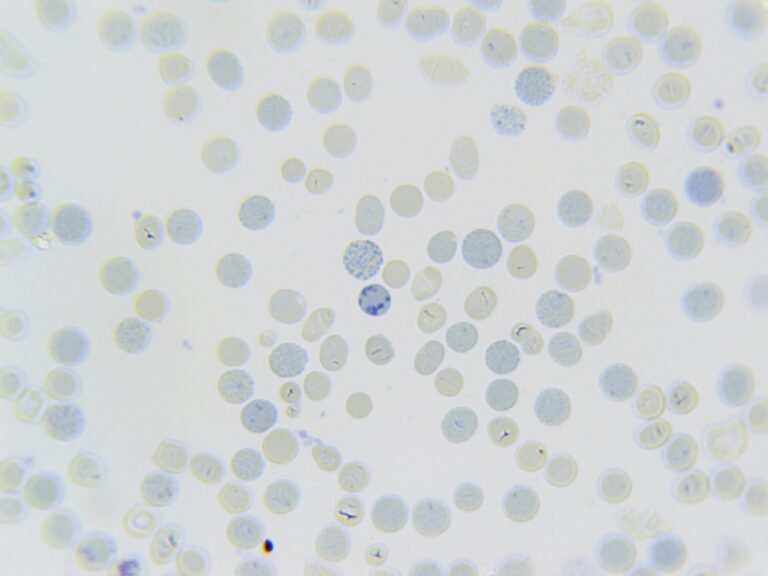
The blood film, stained with a supravital stain, revealed distinctive “golf ball” inclusions, blue precipitates within red cells.