
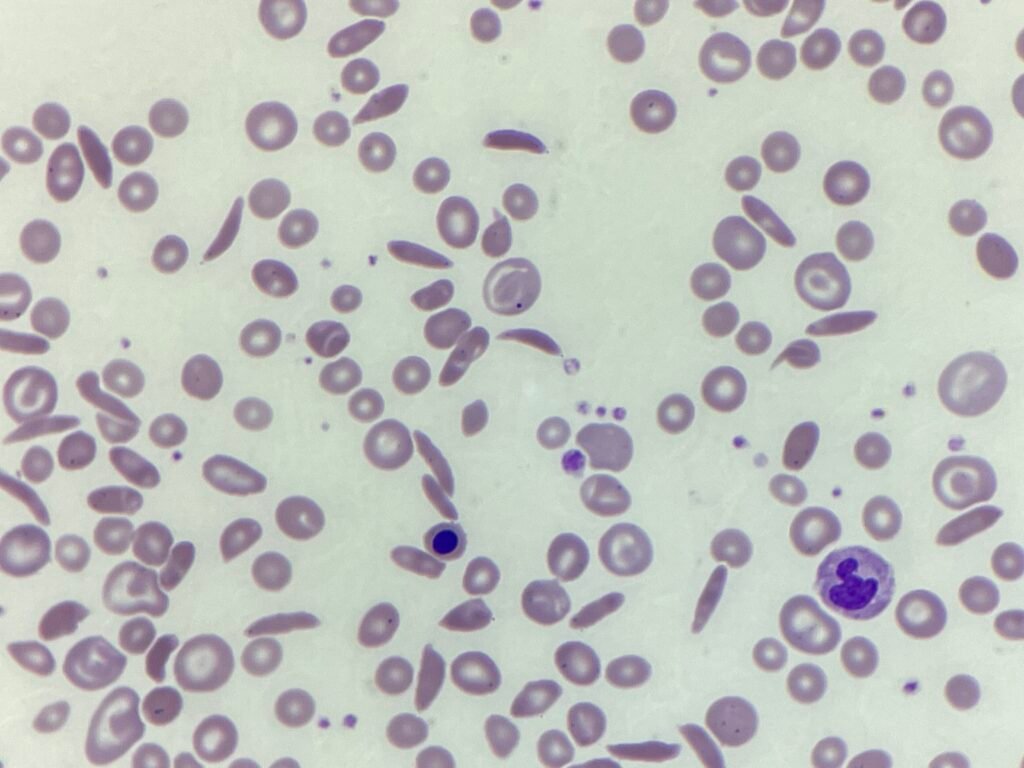
This week’s Morphology Monday case features a patient with known Sickle Cell Disease (SCD) who presented with anaemia and signs of haemolysis. The full blood count showed a normocytic anaemia with a low haemoglobin level and a raised reticulocyte count, consistent with compensatory marrow response.
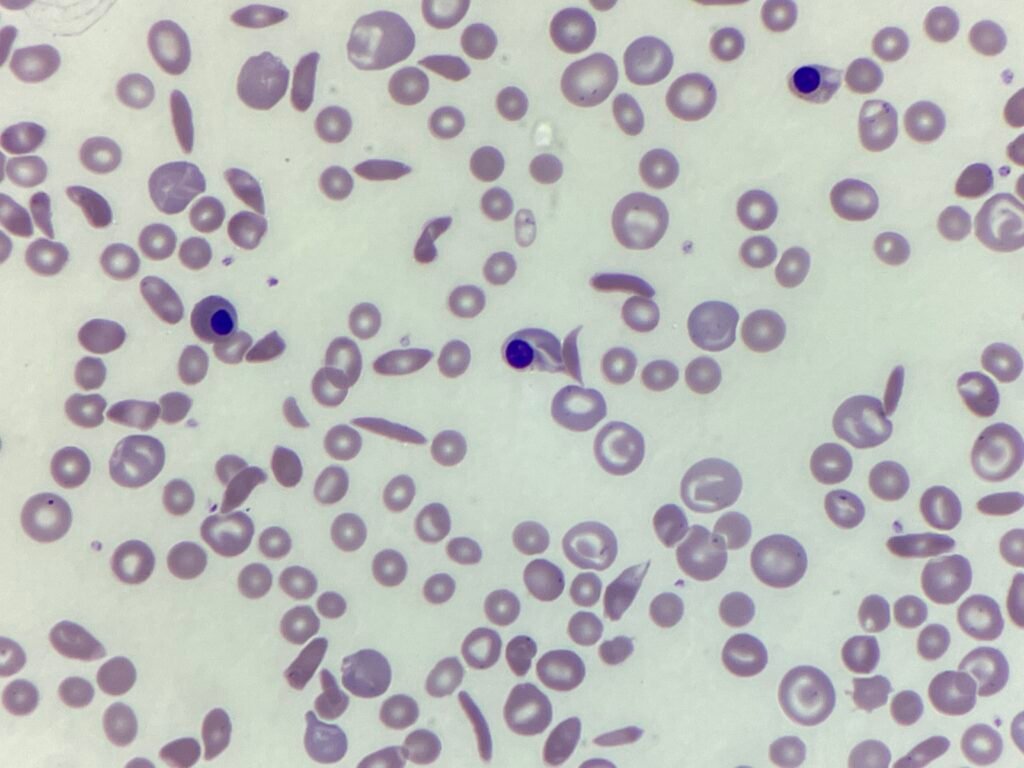
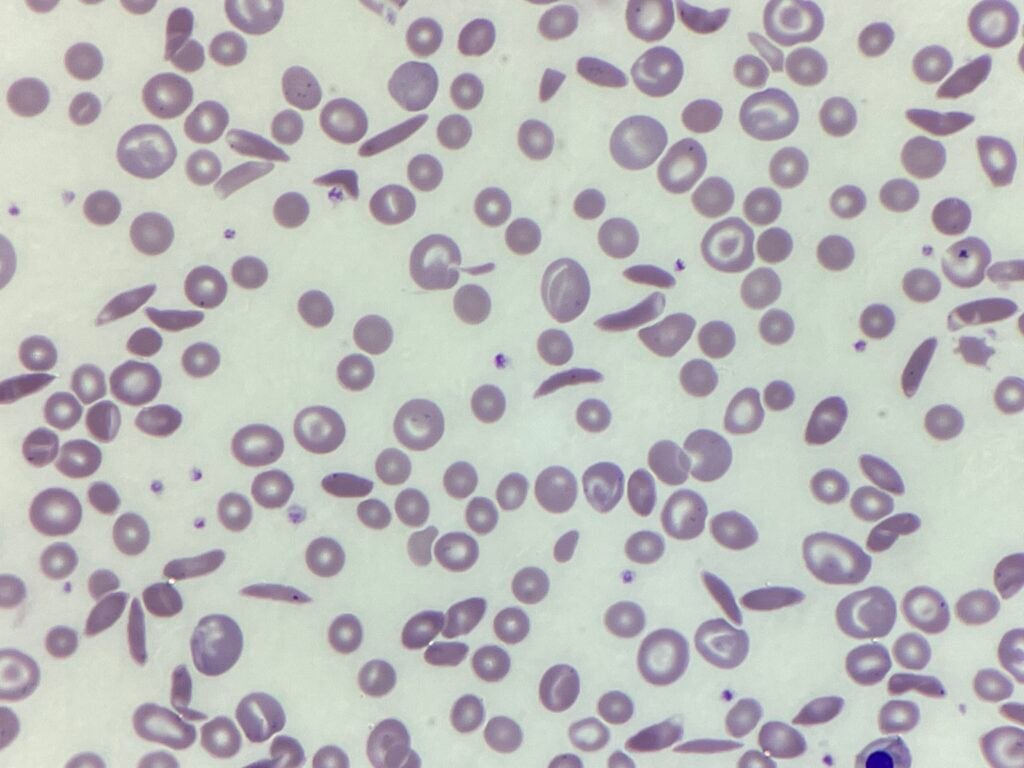
On the blood film, several classic features of SCD were noted:
-
Marked red cell anisopoikilocytosis
-
Numerous sickled red cells
-
Polychromasia, indicating increased reticulocytes
-
Nucleated red blood cells (NRBCs)
-
Howell-Jolly bodies, suggestive of functional asplenia
These features are hallmarks of ongoing haemolysis and splenic dysfunction, commonly seen in patients with SCD. The presence of Howell-Jolly bodies reflects the spleen’s reduced filtering capacity, which is often due to autosplenectomy in chronic disease.
This case offered a striking visual display of sickling, red cell regeneration, and hyposplenism, key morphological indicators that support the diagnosis of Sickle Cell Disease.