Skip to content
22 Aug 2025#hus#maha#morphology-monday#only-cells#red-cells

MM250818: Haemolytic uraemic syndrome (HUS)

This week's Morphology Monday case features a 35 year old male who presented with fatigue, pallor, easy bruising, reduced urine output, and abdominal pain following a recent gastrointestinal illness.

The blood results showed anaemia (Hb 113 g/L), severe thrombocytopenia (Plt 16 ×10⁹/L), and normal white cell count. Biochemistry revealed raised creatinine (257 μmol/L), hyperbilirubinaemia (49 μmol/L), and mildly elevated ALT (77 U/L), with low calcium and phosphate.
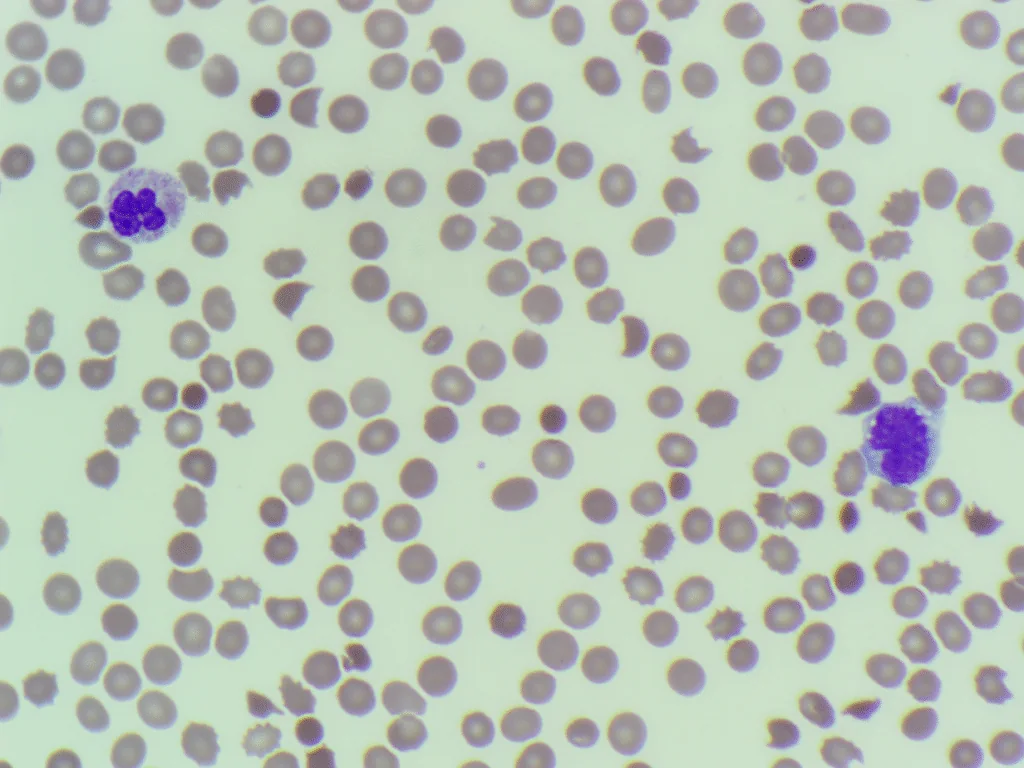
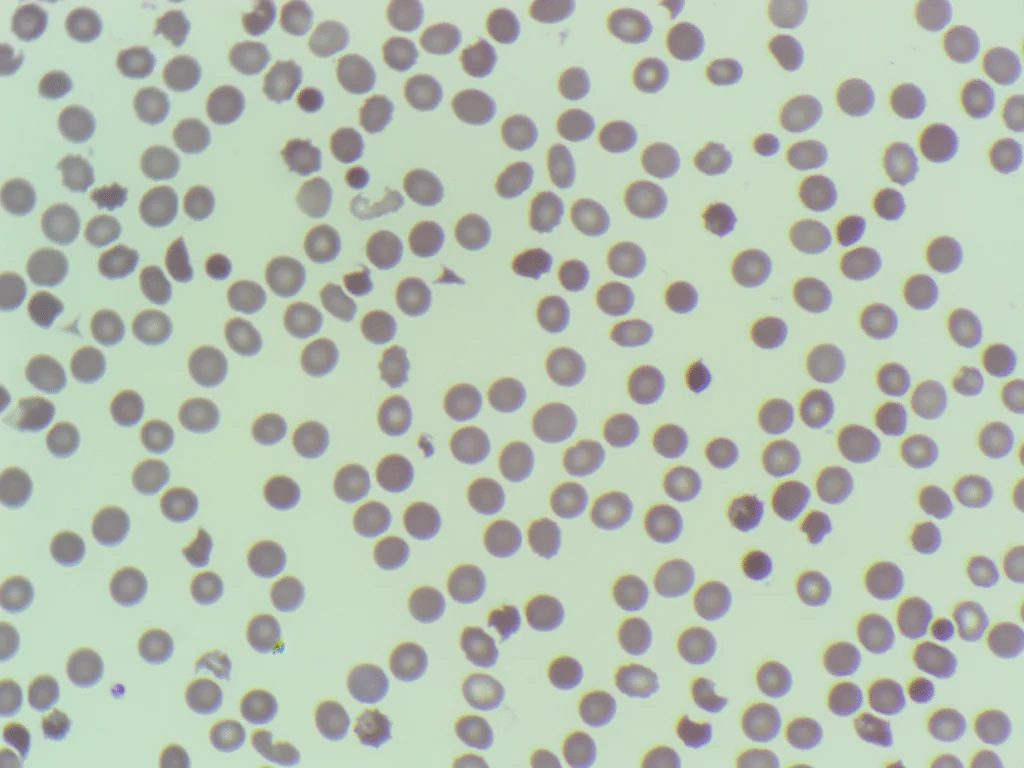
Blood film in haemolytic uraemic syndrome with red cell fragments, a neutrophil and a monocyte

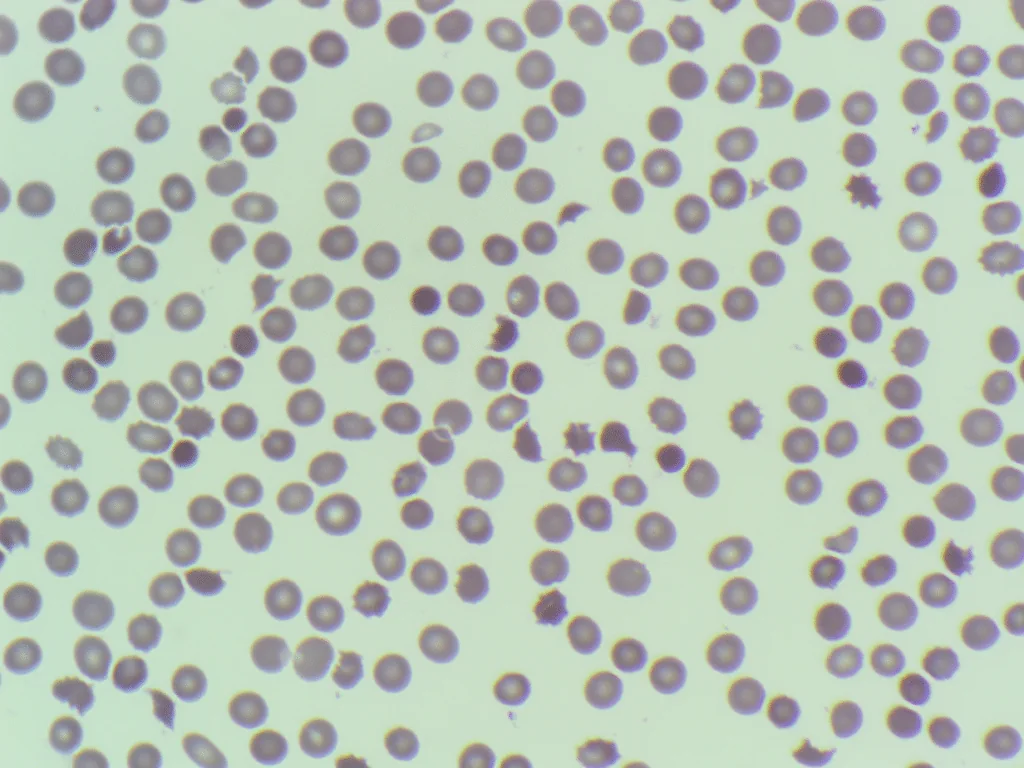
Blood film in haemolytic uraemic syndrome showing schistocytes and microspherocytes

Blood film in haemolytic uraemic syndrome with red cell fragments (schistocytes) and spherocytes

Blood film in haemolytic uraemic syndrome with numerous fragmented red cells and microspherocytes

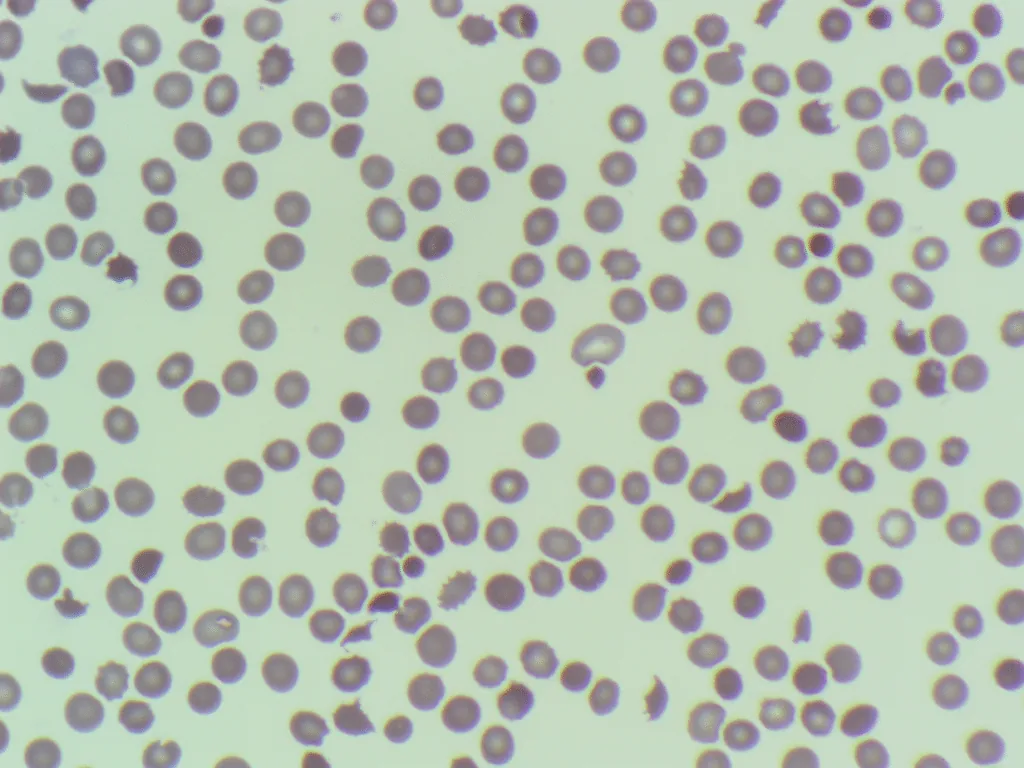
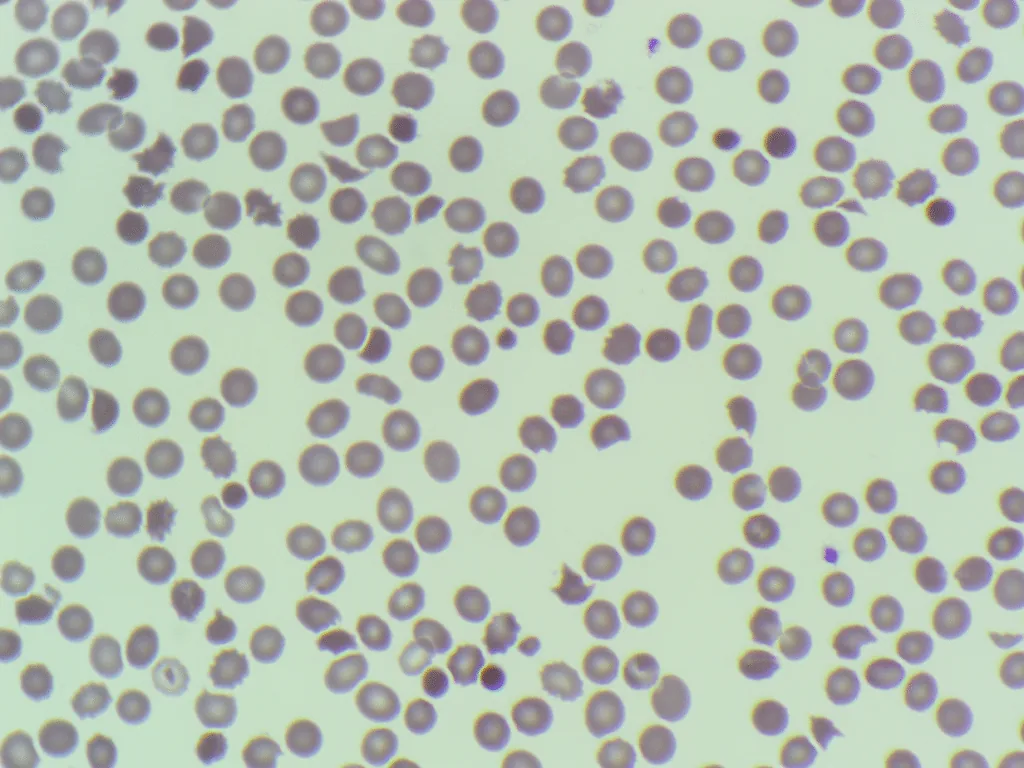
Blood film in haemolytic uraemic syndrome showing schistocytes, including helmet cells

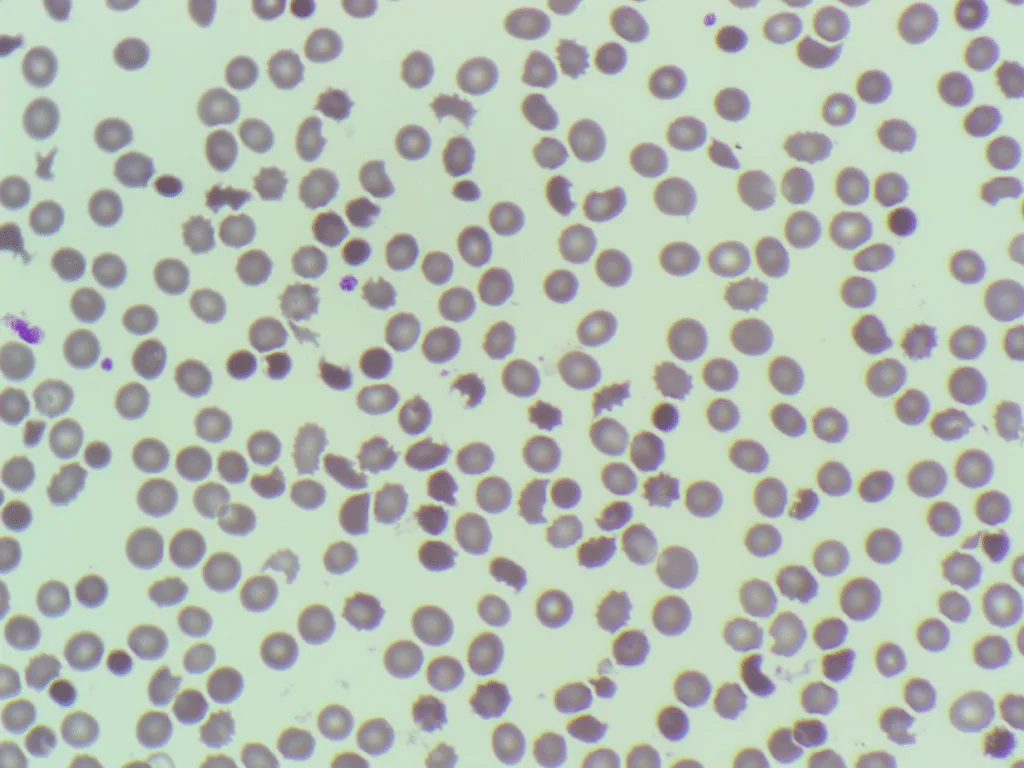
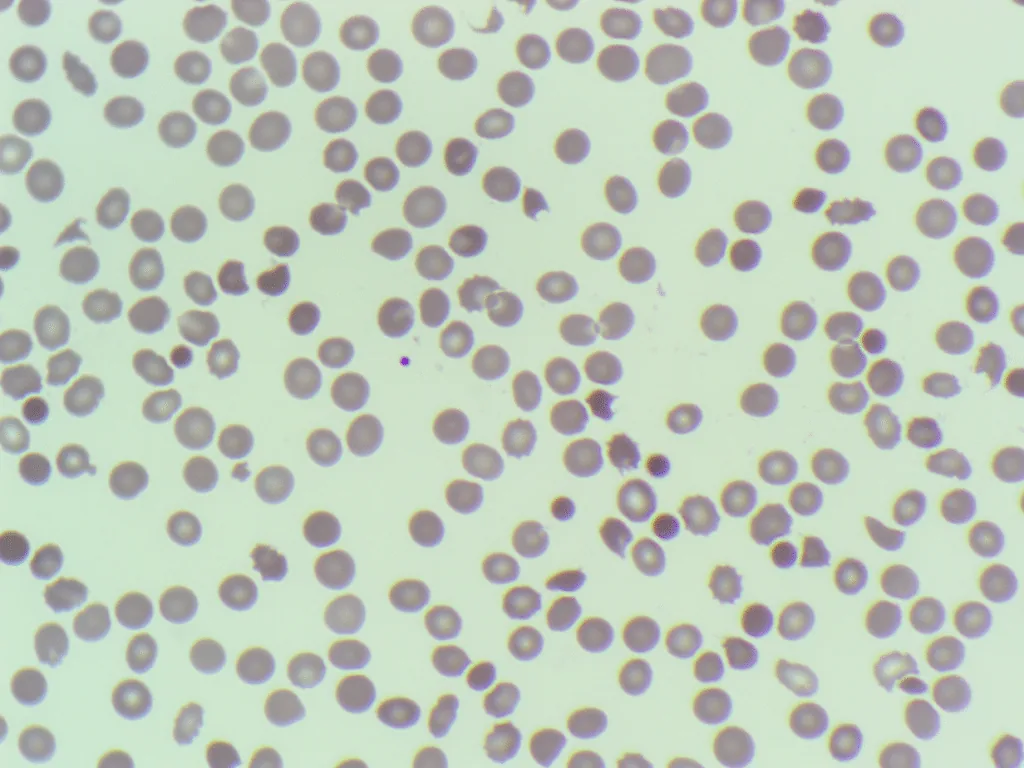
Blood film in haemolytic uraemic syndrome with many red cell fragments and dense microspherocytes

Blood film in haemolytic uraemic syndrome with schistocytes and spherocytes across the field

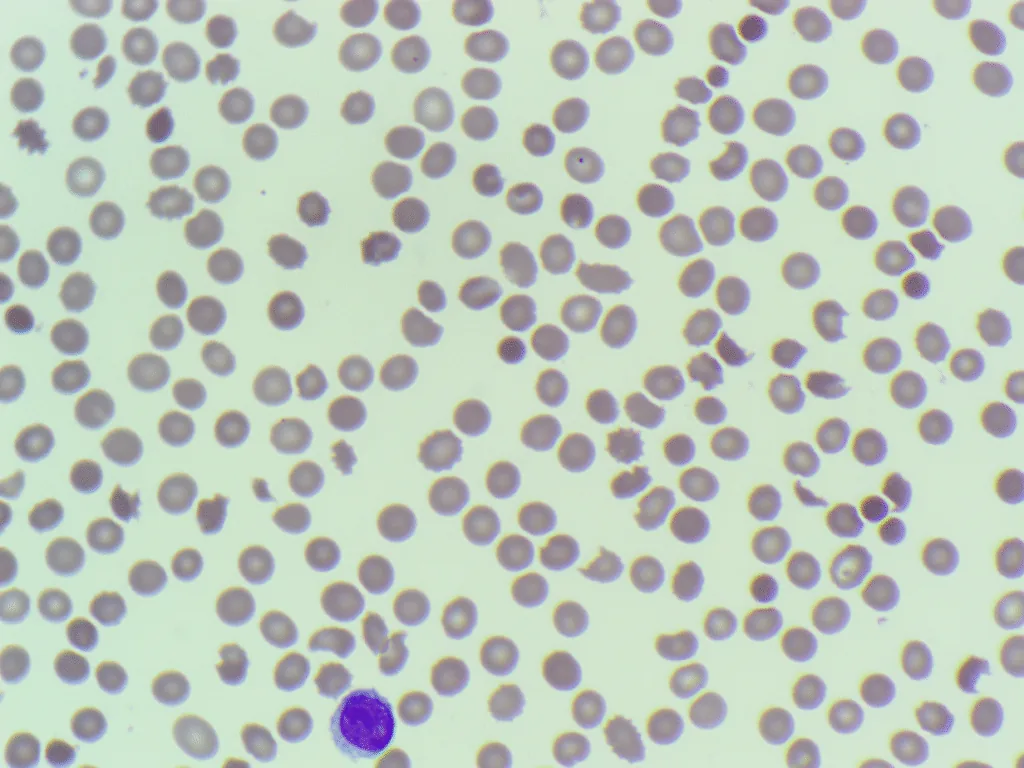
Blood film in haemolytic uraemic syndrome with red cell fragments and a lymphocyte

The blood film showed red cell fragmentation with schistocytes and occasional microspherocytes. ADAMTS13 activity was normal, helping to exclude thrombotic thrombocytopenic purpura (TTP).

Taken together, the clinical presentation, laboratory findings, and blood film appearances are consistent with a diagnosis of Haemolytic Uraemic Syndrome (HUS).