Free preview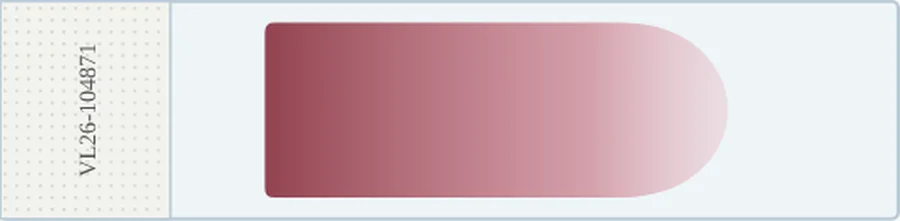
Make, stain and read a blood film
Spread a wedge film, fix and stain it, put a staining fault right and find where to read it.
Try the free preview : Make, stain and read a blood filmSearches the Only Cells Library of blood film pictures.

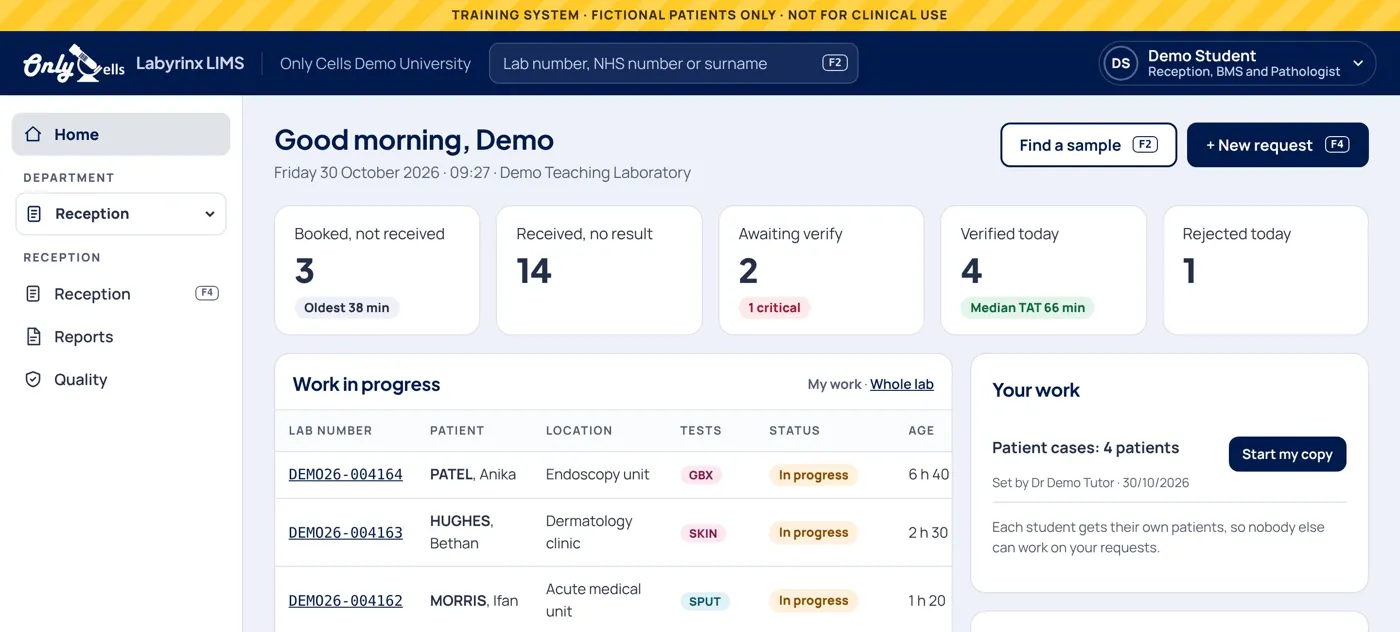
 Labyrinx LIMSby Only Cells
Only Cells Virtual Lab · for universities and colleges
Most biomedical science students first use a laboratory information system in their first job, on real patient samples. With Labyrinx LIMS they book in, test, verify and report on fictional patients first, then practise the bench skills behind each result in our simulations. Safe to get wrong, and marked as they go.
Demo links are for university and college teaching staff. Students: use the link your tutor gave you.
laboratory disciplines, from haematology and transfusion to cellular pathology
ready-made exercises with planted errors, tutor notes and automatic marking
conditions in the condition bank, from iron deficiency to falciparum malaria
bench simulations, from blood films to crossmatching, each with a free preview
The laboratories
Each university gets its own private laboratory. Samples move between departments the way they would in a hospital, and more are added as we build them.
Check every tube against its form, and accept the morning QC before anything is verified.
Count blood films on real cells, with a differential only where the film needs one.
Group and screen, antibody identification, crossmatch, and issue by barcode.
Read the plates and Gram stains, report sensitivities and blood cultures.
Track specimens from cut-up to sign-out, with special stains and controls.
Request bloods, choose the order of draw and read verified results.
More disciplines on the way. New departments are added as they are built, and every licensed university gets them.
The workflows
Every request follows the path it would take in a hospital laboratory, and the LIMS checks each step the way a real one would.
A clinical user, such as a nursing or medical student, requests bloods and draws the tubes in order.
Find or register the patient, check every tube against the form and print barcoded labels.
Run QC, fetch analyser results, count a film, work a culture, crossmatch, cut up a biopsy.
Flags, delta checks and analyser messages; critical results phoned with read back.
Released, amended with a reason when needed, and read on the ward. Every step is in the audit trail.
Built-in exercises
Load a ready-made exercise or plan one from the condition bank. Every student gets their own patients with the same planted problems, so nobody can copy a neighbour.
A taste of the exercises
Bench simulations
6+ hands-on simulations, with new ones being added. Each gives feedback on every task and a different patient on every run.
Every simulation has a free preview, with no sign-in. The full versions, with longer cases that take more time and thought, come with a licence.
Spread a wedge film, fix and stain it, put a staining fault right and find where to read it.
Try the free preview : Make, stain and read a blood film
Count white cells on real film photographs, write the film comment and decide who needs to know.
Try the free preview : Count and report a blood film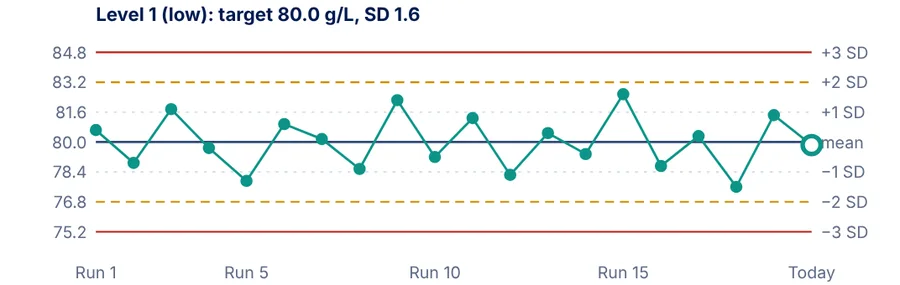
Read the QC charts, sort out a QC failure, and decide which results you can trust.
Try the free preview : FBC analyser: QC and flags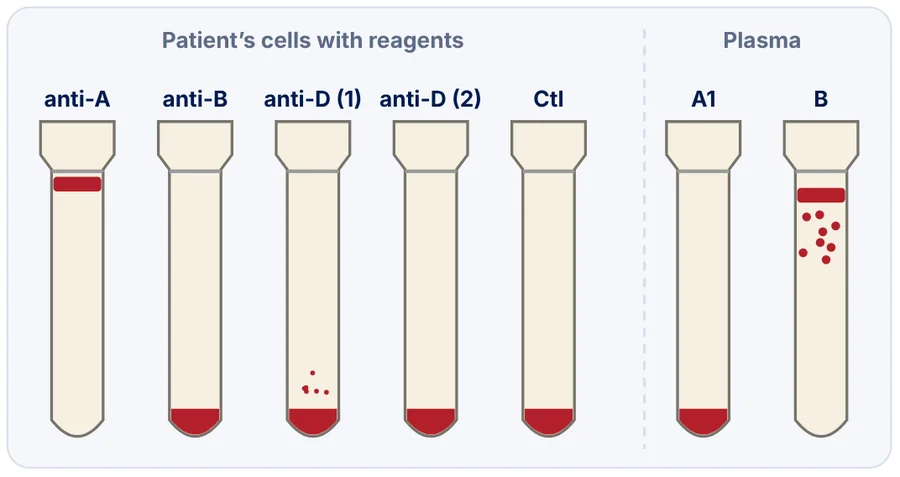
Read the gel card, work out the group, compare it with the history and choose safe red cells.
Try the free preview : ABO and RhD grouping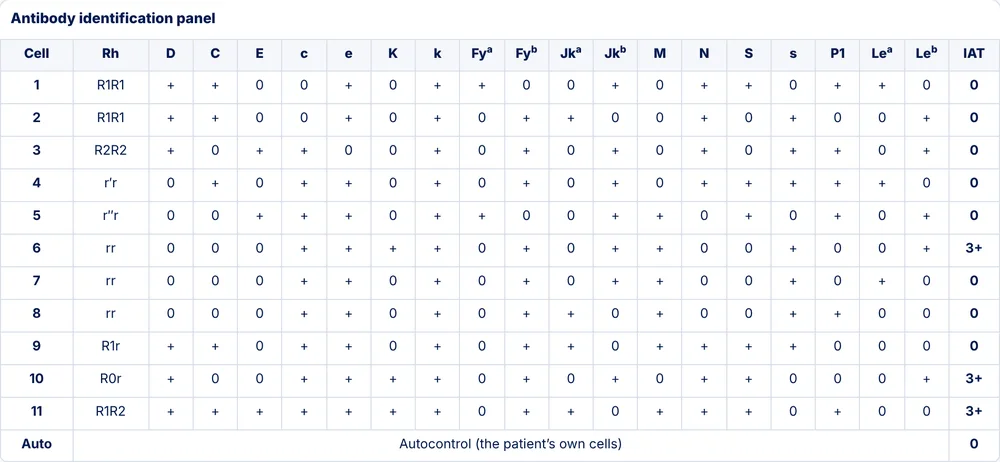
Read the screen, cross out on an 11-cell panel, and name and confirm the antibody.
Try the free preview : Antibody screen and identification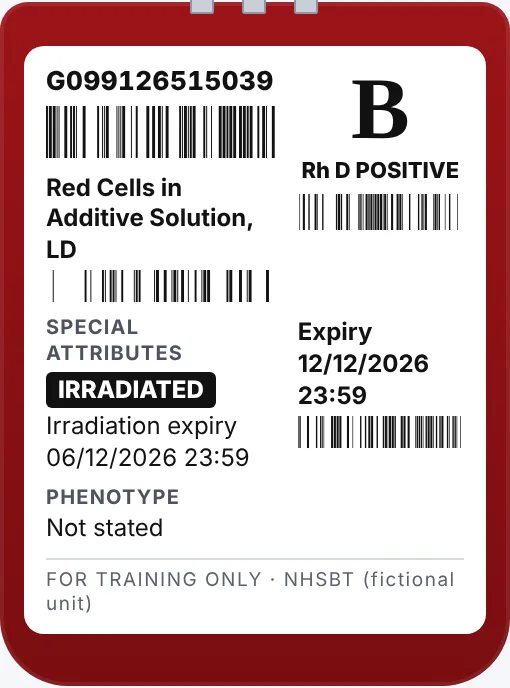
Check the sample, choose electronic issue or a crossmatch, and check every unit label.
Try the free preview : Crossmatch and issue red cellsNew simulations are added through the year, and licensed courses get each one as it is released.
How it works
We send you a private demo laboratory made for your university, usually within two working days.
Sign in as a tutor, a biomedical science student or a clinical user, and run an exercise to see the marking.
The LIMS, the simulations or both. We quote for your country and the number of students.
Fictional patients only, with test-range patient numbers, and every page says it is a training system.
Tested against WCAG 2.2 AA. Fully usable by keyboard, with hospital-style shortcuts.
Built by a practising biomedical scientist around UK practice, and easy to adapt to your country: reference ranges, units, guidelines and wording.
Runs in any modern browser, with no IT set-up. Built for whole classes signing in at once.
For teaching staff
Tell us who you are and we will send you a demo link made for your university. Nobody outside your university sees it.
Questions
Each university has its own address, such as onlycells.co.uk/lims/your-university, and students use the account their tutor gives them. The simulation previews need no sign-in.
A short preview of every simulation, with no sign-in. Teaching staff can also ask for a private demo of the LIMS.
It depends on your country, the number of students and what you choose: the LIMS, the simulations or both. Ask for a demo and we will send you a quote.
Each university’s laboratory has its own database that no other university can see, and every patient in it is fictional. The simulations keep nothing: your answers stay in your browser.
Yes. It is built around UK practice and can be localised for your country: reference ranges and units, national transfusion and microbiology guidelines, terms and spelling, and your own SOPs. Tell us what you need when you ask for a demo.
Fill in the form with your university email address. We check the request and email you your own demo link, usually within two working days. You can try every role, and the demo is cleared every night.
Already have a Labyrinx LIMS? Use your university’s own address, such as onlycells.co.uk/lims/your-university. Lost it? Get in touch.