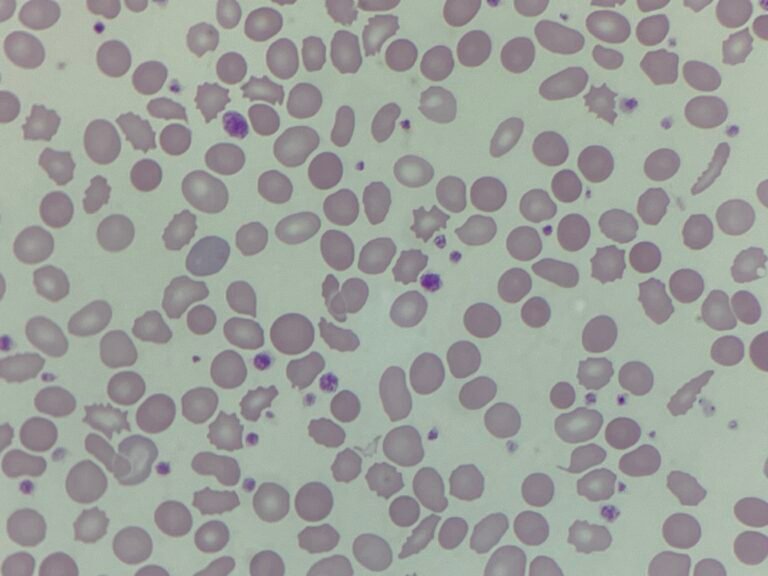
Morphology Monday | Case MM250929
This week’s case comes from a patient with a complex clinical background. The patient presented with anaemia and a raised platelet count, alongside signs of systemic illness.

This week’s case comes from a patient with a complex clinical background. The patient presented with anaemia and a raised platelet count, alongside signs of systemic illness.
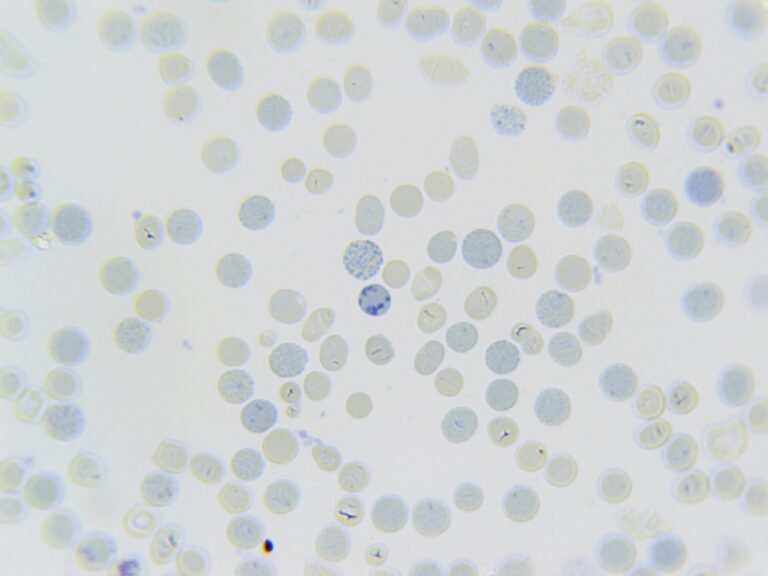
The blood film, stained with a supravital stain, revealed distinctive “golf ball” inclusions, blue precipitates within red cells.
This week’s case comes from a 35-year-old patient who presented with fatigue, mild shortness of breath and intermittent anaemia
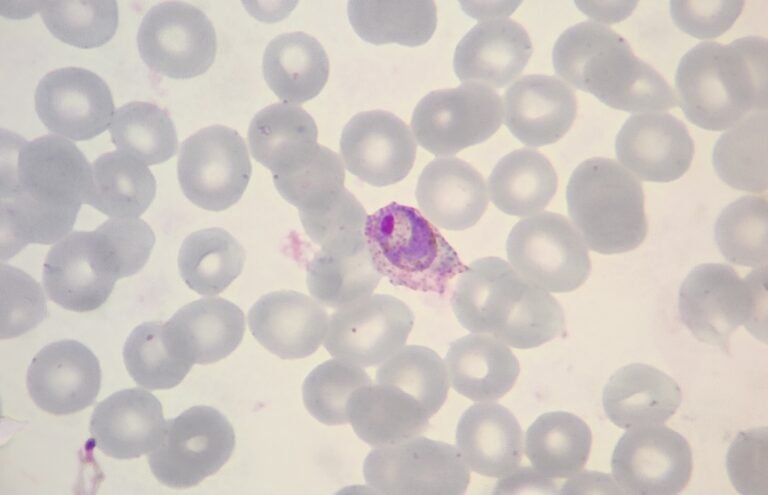
The overall findings were consistent with Plasmodium ovale infection, one of the less common species of malaria. It is typically associated with relapsing infections due to dormant liver hypnozoites and is often distinguished by oval-shaped infected red cells with fimbriated edges.
![ABID – The weird and the wonderful webinar [3/3]](https://onlycells.co.uk/wp-content/uploads/ABID-3_Thumbnail-768x432.jpg)
Following on from the foundations laid in Session 1: Tools of the Trade, and applications of those key concepts in Session 2: Putting it into practice, this session focused on some of the more complex techniques used and cases.
This week’s case comes from a 29-year-old male who returned from a recent trip abroad. He presented to the emergency department with fever, chills, sweats, headache, and general malaise.
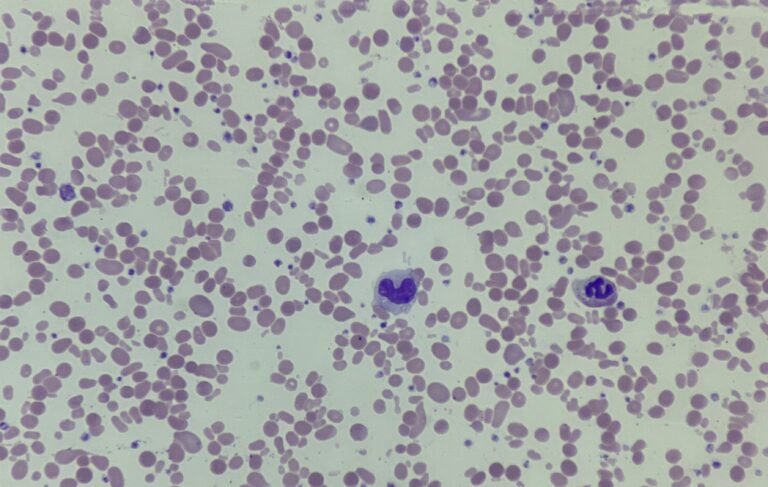
The blood film demonstrated striking red cell fragmentation with marked anisopoikilocytosis, microspherocytes, and budding cells, giving an appearance reminiscent of thermal burns – a hallmark of Hereditary Pyropoikilocytosis (HPP).
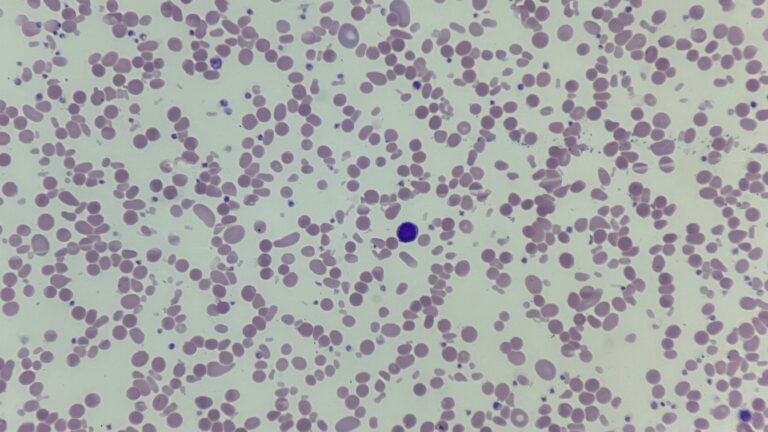
This week’s Morphology Monday comes from a 6 year old child who has been experiencing chronic anaemia with intermittent jaundice.
The blood film showed red cell fragmentation with schistocytes and occasional microspherocytes. ADAMTS13 activity was normal, helping to exclude thrombotic thrombocytopaenic purpura (TTP).
This week’s case comes from a 35-year-old male who presented with fatigue and pallor, easy bruising, and reduced urine output.